

Home / Technology / AI Speeds Drug Discovery: OpenAI's New Model
AI Speeds Drug Discovery: OpenAI's New Model
17 Apr
Summary
- OpenAI launches GPT-Rosalind for life sciences research.
- Model aims to accelerate drug discovery and patient applications.
- Early users include Amgen, Moderna, and Allen Institute.
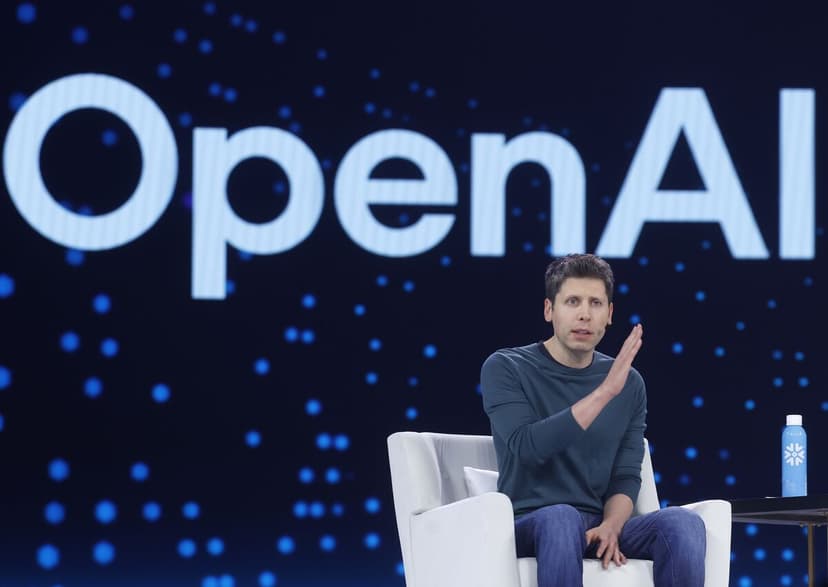
OpenAI has launched an early version of an artificial intelligence model, GPT-Rosalind, designed to expedite drug discovery processes. This AI tool is specifically tailored for life sciences research, focusing on extracting insights from extensive data and converting scientific studies into practical healthcare solutions for patients. The model is being rolled out as a research preview to select business clients.
Notable early adopters of GPT-Rosalind include Amgen Inc., Moderna Inc., and the Allen Institute. These organizations will leverage the AI to assist in complex biological research, which increasingly relies on computational power. OpenAI anticipates that the model will act as a research partner, helping to streamline time-intensive aspects of scientific endeavors.
This initiative aligns with a broader trend of tech companies, including rivals like Anthropic and Alphabet's Google, focusing on AI applications in science and healthcare. Google DeepMind's AlphaFold, an AI protein structure prediction system, previously earned a Nobel Prize in chemistry. While AI in drug discovery is still considered nascent, some AI-discovered drugs are already in early clinical trials.
Concerns regarding the misuse of advanced AI, such as the creation of biological weapons, have also emerged alongside technological progress. OpenAI has implemented safeguards, including high-precision flags, to detect and address potential misuse of its new model, particularly concerning bioweapons indicators.
