

Home / Technology / ChatGPT Apps: A Slow Start for OpenAI's Platform
ChatGPT Apps: A Slow Start for OpenAI's Platform
30 Mar
Summary
- OpenAI's ChatGPT mini-app initiative is off to a slow start.
- Developers cite a tedious approval process and limited data.
- Companies are hesitant to cede customer relationships to OpenAI.
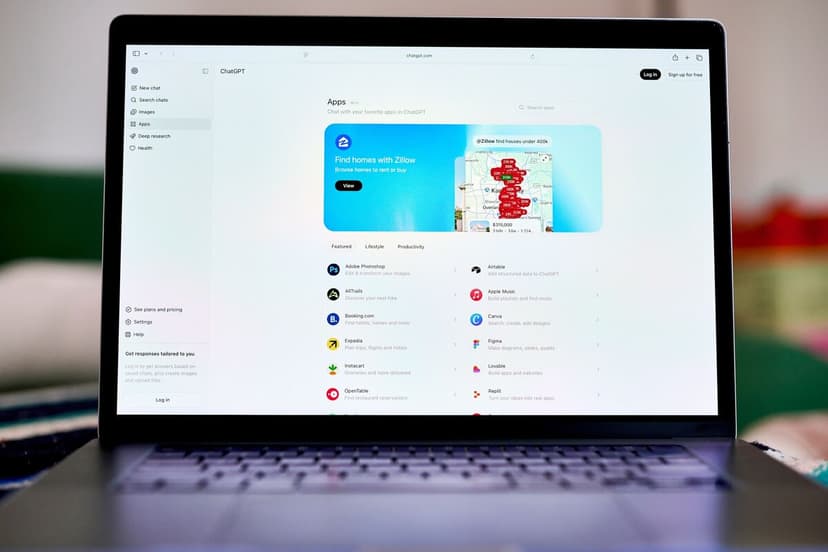
OpenAI's initiative to integrate mini apps within ChatGPT, allowing users to access services like Spotify without leaving the chatbot, has encountered early difficulties. Launched with the aim of turning ChatGPT into a comprehensive platform, the program now features over 300 integrations but suffers from limited functionality and developer frustrations.
App makers have voiced concerns about a lengthy approval process, coding system bugs, and a scarcity of usage data. Furthermore, partner companies are reluctant to transfer customer relationships and payment systems to OpenAI, hindering deeper integration. This lukewarm reception follows other product efforts by OpenAI that have yet to fully materialize.
This development could intensify competition with tech giants like Apple, potentially diverting users to an ecosystem outside existing app stores. As OpenAI faces increasing competition from rivals such as Anthropic and Google, these third-party integrations are crucial for user acquisition and for its long-term goal of embedding its technology into consumer devices.
While OpenAI states the app platform is central to its strategy and acknowledges the need for developer experience improvements, early partners like Booking.com report minimal marketing impact and low referral traffic. Many companies also emphasize their superior existing systems for customer support, payments, and user verification, questioning the current value proposition of AI assistants for core business functions.
Consumers also express caution, with a recent report indicating that 55% of global consumers are hesitant to share payment information with AI. Many users experiment with AI chatbots as assistants but prefer using other channels for purchases, such as social media, traditional search, and retailer websites, indicating that AI assistants are not yet primary transaction platforms.
