Home / Technology / Octopus Autonomy and the Computational Future of Intelligence
Octopus Autonomy and the Computational Future of Intelligence
10 Nov, 2025
Summary
- Blaise Agüera y Arcas argues intelligence can "run" on many substrates
- Octopuses distribute intelligence across their eight autonomous arms
- Portia spiders display sophisticated hunting strategies and world models
In a recent book, Blaise Agüera y Arcas, a vice-president at Google, delves into the computational foundations of life and intelligence. As of November 10th, 2025, Agüera y Arcas argues that the essence of intelligence is computation, not the specific substrate it runs on.
He draws parallels between the Ship of Theseus thought experiment and the nature of human identity, suggesting that our genetic code, rather than our constantly-replaced cells, is the core of who we are. Agüera y Arcas believes this computational view of life applies to artificial intelligence as well, rejecting the common categorization of AI into narrow, general, and superintelligent varieties.
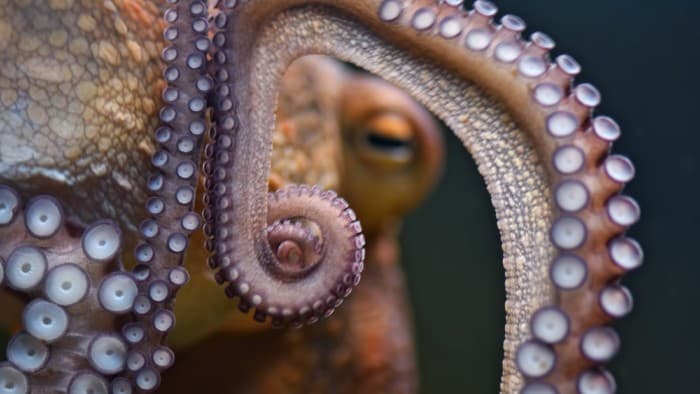
Instead, the author envisions a future with diverse machine intelligences, much like the natural world. He highlights examples of sophisticated intelligence in nature, such as Portia spiders' intricate hunting strategies and octopuses' distribution of cognition across their eight autonomous arms. These examples, he suggests, foreshadow the many different types of machine intelligence that will emerge.
Agüera y Arcas's book is a sweeping exploration of biology, philosophy, and the future of AI, challenging readers to rethink their assumptions about the nature of life and intelligence.


