Home / Technology / NY Robotaxi Expansion Halted: Cities Outside NYC Miss Out
NY Robotaxi Expansion Halted: Cities Outside NYC Miss Out
28 Feb
Summary
- New York governor halts robotaxi expansion to smaller cities.
- Waymo's testing permit in New York City remains active.
- State decisions on autonomous vehicles impact national trends.
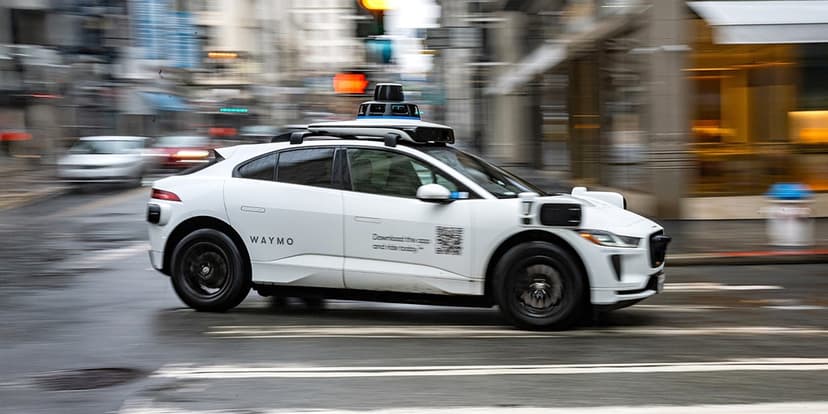
New York Governor Kathy Hochul has halted the proposed expansion of commercial robotaxi services beyond New York City. This decision means cities such as Buffalo, Rochester, and Albany will not be seeing driverless ride services in the near future. Waymo, an autonomous vehicle company, still holds a permit to test its vehicles in New York City, though these tests require a trained specialist behind the wheel. Despite millions of autonomous miles logged in other states with reportedly lower crash rates, public trust and legislative support remain crucial for wider deployment.
The governor's office cited a lack of support in the state Legislature after discussions with various stakeholders, including labor groups and safety advocates. This pause comes amid intensified national scrutiny of autonomous vehicle operations, particularly after an incident involving Cruise in San Francisco last year. While Waymo has not had similar major public incidents, the political and public acceptance hurdles are significant.
This New York decision could have broader implications, as other states often observe how major markets handle new technologies. The future of robotaxis may present a patchwork of regulations across the country, with some cities embracing the technology faster than others. Companies like Waymo continue to refine their systems, but the pace of innovation often outstrips that of regulation and public perception.
The halt in expansion does not signify an end for robotaxis but emphasizes that innovation must navigate political landscapes. While Waymo proceeds with testing in New York City, smaller municipalities will wait, and other states will monitor the situation. The ultimate question remains not if autonomous vehicles will expand, but how rapidly and where they will operate, balancing potential safety and efficiency gains against public trust and existing systems.