Home / Technology / NY Bans Chatbots From Deceiving Minors
NY Bans Chatbots From Deceiving Minors
28 Oct
Summary
- New law prohibits AI chatbots from mimicking humans or flattering minors.
- Chatbots must avoid discussing sensitive topics like drugs or self-harm with youth.
- Companies face up to $25,000 penalty per violation for non-compliance.
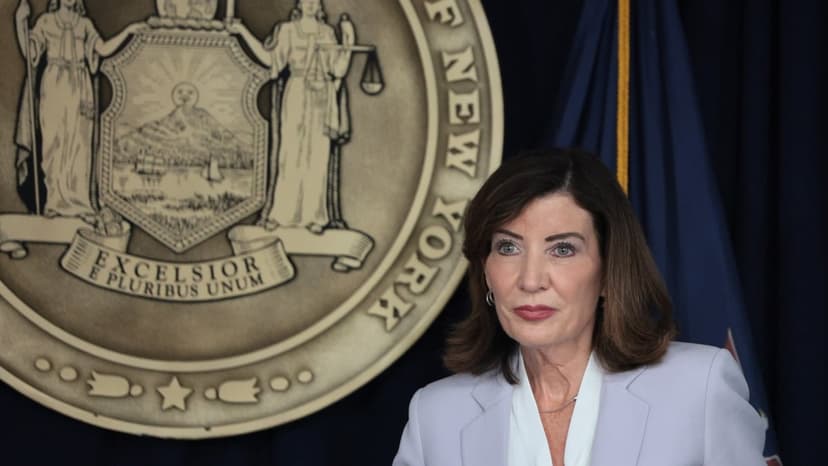
New York Governor Kathy Hochul has enacted a pivotal law aimed at enhancing the safety of artificial intelligence chatbots for minors. This legislation, signed into law on Wednesday, imposes significant restrictions on how AI chatbots can interact with users under the age of 18.
The new law explicitly prohibits chatbots from exhibiting behaviors such as pretending to be a real person, expressing human emotions, or offering flattering responses. It also prevents chatbots from posing unprompted emotional questions or referencing a child's past private health information.
Crucially, the bill addresses features deemed particularly hazardous for young users. Chatbots will be barred from providing advice or promoting drug or alcohol use, eating disorders, self-harm, or suicide. Additionally, they cannot encourage children to keep secrets or engage in discussions involving sexually explicit material or child sexual abuse content.
Companies must implement robust age verification processes, offering multiple methods that do not solely rely on government identification. Non-compliance can result in civil penalties up to $25,000 per instance. A public website will be established for New Yorkers to file complaints regarding potential violations.
This measure follows similar actions in other states, with California enacting "Adam's Law" in September, which mandates child safety risk assessments and independent audits for AI companies following a tragic incident involving a teen and ChatGPT. These legislative efforts underscore a growing concern over the safety guardrails of AI technology for vulnerable populations.


