Home / Technology / MLC NAND Flash Fades: TLC, QLC Ascend
MLC NAND Flash Fades: TLC, QLC Ascend
13 Jan
Summary
- MLC NAND Flash is exiting mainstream markets for niche applications.
- Samsung discontinued MLC products, with final shipments by mid-2026.
- TLC and QLC NAND Flash are increasingly meeting consumer and enterprise storage demands.
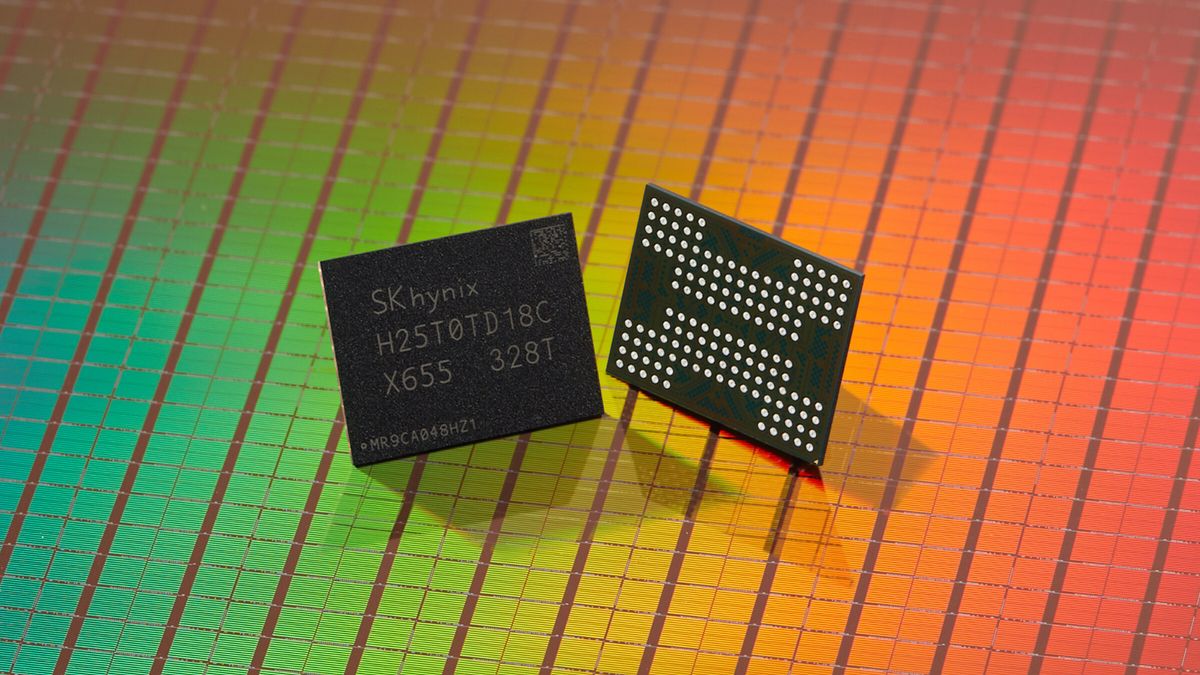
MLC NAND Flash is experiencing a significant market contraction, transitioning from mainstream storage to specialized, niche applications. Demand is now concentrated in areas like industrial control systems, automotive electronics, and medical equipment, where endurance and reliable supply are prioritized over cost-efficiency. Major NAND manufacturers, such as Samsung, are strategically exiting the MLC market, with final shipments slated for mid-2026. This deliberate capital reallocation towards TLC and QLC technologies is expected to reduce global MLC NAND capacity by 41.7% year-over-year in 2026.
As international suppliers withdraw from MLC production, companies focusing on embedded and high-reliability memory are gaining relative influence. Macronix, for instance, has shifted some capacity toward MLC NAND to serve customers facing supply gaps. This reduction in MLC output, coupled with limited replacement capacity, has already triggered early volume commitments and price increases. Buyers have accelerated procurement to secure long-term availability, driving sharp price hikes that are expected to persist in the short term.
Consequently, TLC and QLC NAND Flash are increasingly accommodating the growing storage demands of both consumer and enterprise segments. Their superior cost-per-bit advantages align with escalating capacity requirements driven by data-intensive workloads and the expansion of AI tools. While PLC NAND Flash remains speculative, TLC and QLC are now the preferred technologies for most modern SSD designs, with endurance trade-offs managed through controller-level optimizations.