Home / Technology / Microsoft Eyes Superconductors for Greener AI Data Centers
Microsoft Eyes Superconductors for Greener AI Data Centers
10 Feb
Summary
- Microsoft explores high-temperature superconductors for efficient data centers.
- Superconductors could drastically reduce energy loss and space requirements.
- Fusion research has recently helped lower superconductor material costs.
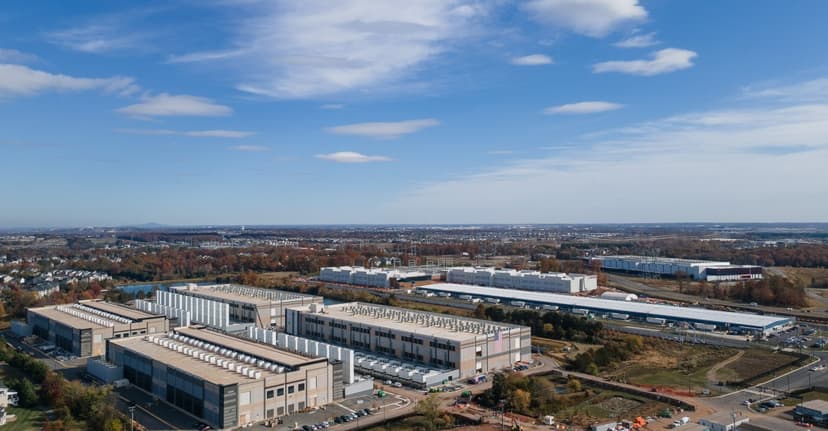
Microsoft is actively exploring the integration of high-temperature superconductors (HTS) to enhance the efficiency and reduce the environmental impact of its data centers. The company believes these materials, capable of conducting electricity with zero resistance, could be transformative for both data center construction and the broader energy infrastructure.
The immense power requirements of generative AI have intensified scrutiny on tech companies' energy consumption and data center expansion. HTS technology offers a potential solution by enabling more compact data centers and transmission lines, thus minimizing the strain on local communities and power grids.
While HTS cables are currently used in applications like MRI machines and short power line segments in cities such as Paris and Chicago, their widespread adoption has been hindered by cost and complexity. Historically, they required cryogenic cooling and relied on rare-earth materials with concentrated supply chains. However, increased demand for HTS tape in fusion research has begun to drive down costs and diversify manufacturing.
Microsoft envisions using HTS both internally within data centers to allow for more flexible layouts and externally to support the development of long-distance power lines. These advanced cables could require significantly less space than traditional overhead lines, potentially accelerating infrastructure projects and reducing construction expenses.