
Home / Technology / Humanity Bending to AI's Will
Humanity Bending to AI's Will
18 Jun
Summary
- AI is changing work by making humans contort to its needs.
- Workplaces demand AI-like accuracy from humans, causing distress.
- Workers must gain control over AI's integration into their jobs.
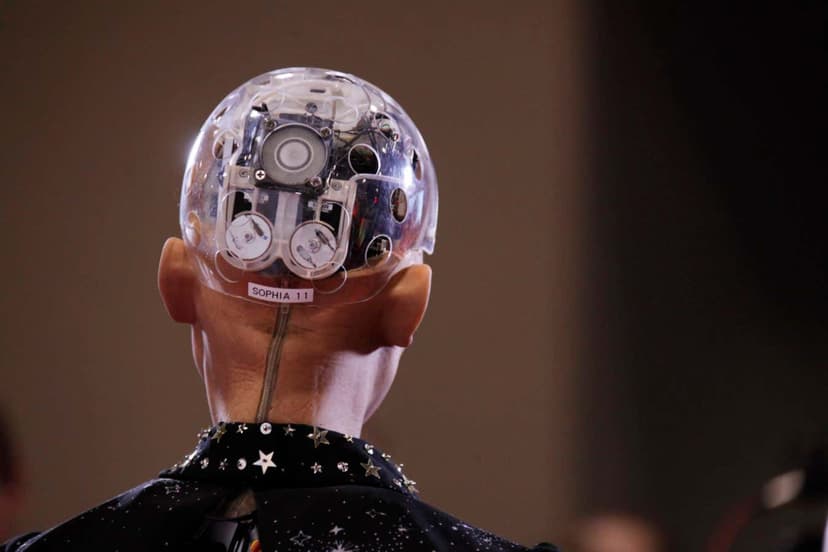
Sarah O'Connor's "We Are Not Machines" critically examines the increasing integration of artificial intelligence into the workplace. The central argument is not that AI will take all jobs, but that humans are actively altering their behaviors and standards to accommodate AI systems.
This adaptation manifests in various industries, from translators accepting lower pay for AI-assisted work to copywriters adjusting content for search engine algorithms. Some bosses even reject qualified interns for failing AI-generated tests. The book highlights a disturbing trend where human capabilities are being reshaped to match AI, leading to a potential loss of faith in ourselves.
O'Connor explores real-world examples, like a remote worker in Costa Rica expected to maintain 99.9% accuracy on a demanding task, mirroring machine precision. Conversely, a Swedish mine demonstrates that AI can improve jobs when workers, supported by unions, negotiate its implementation, ensuring human needs are considered.
The book suggests that gaining a foothold in how AI is used within industries is crucial. Collective action, like joining unions or negotiating terms as seen with Hollywood writers, offers a path to work alongside AI rather than for it. O'Connor warns that the true danger lies not in creating AI in our image, but in remaking ourselves in theirs.
