feedzop-word-mark-logo
searchLogin
Feedzop
homeFor YouIndiaIndia
You
bookmarksYour BookmarkshashtagYour Topics
Trending
trending

ChatGPT faces worldwide outages

trending

Alphabet dominates with Gemini 3

trending

OpenAI improves ChatGPT after Gemini

trending

Chennai schools closed due to rain

trending

Rupee collapses beyond 90/USD

trending

Avengers Doomsday trailer breaks tradition

trending

Rupee hits record low

trending

Canara Bank raises ₹3,500 crore

trending

JioHotstar releases Dies Irae

Terms of UsePrivacy PolicyAboutJobsPartner With Us

© 2025 Advergame Technologies Pvt. Ltd. ("ATPL"). Gamezop ® & Quizzop ® are registered trademarks of ATPL.

Gamezop is a plug-and-play gaming platform that any app or website can integrate to bring casual gaming for its users. Gamezop also operates Quizzop, a quizzing platform, that digital products can add as a trivia section.

Over 5,000 products from more than 70 countries have integrated Gamezop and Quizzop. These include Amazon, Samsung Internet, Snap, Tata Play, AccuWeather, Paytm, Gulf News, and Branch.

Games and trivia increase user engagement significantly within all kinds of apps and websites, besides opening a new stream of advertising revenue. Gamezop and Quizzop take 30 minutes to integrate and can be used for free: both by the products integrating them and end users

Increase ad revenue and engagement on your app / website with games, quizzes, astrology, and cricket content. Visit: business.gamezop.com

Property Code: 5571

Home / Technology / Fusion Power Breakthrough: Japanese Coil Passes Key Test

Fusion Power Breakthrough: Japanese Coil Passes Key Test

1 Dec

•

Summary

  • Japanese company Helical Fusion tested a superconducting coil for fusion reactors.
  • The coil successfully maintained steady electricity under intense magnetic forces.
  • This achievement demonstrates commercial-scale viability for fusion energy production.
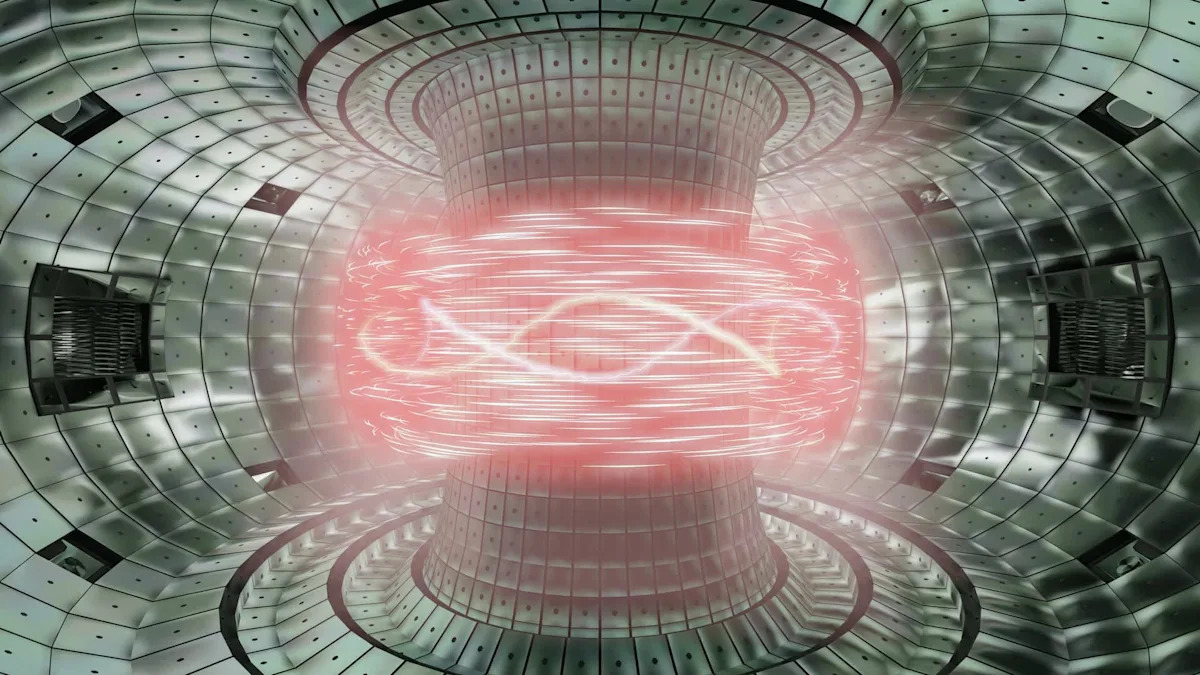
Fusion Power Breakthrough: Japanese Coil Passes Key Test

A Japanese startup, Helical Fusion, has achieved a significant milestone in the pursuit of commercial fusion energy by successfully testing a superconducting magnet coil. This groundbreaking coil maintained a steady flow of electricity despite the intense magnetic forces inherent in a fusion reactor environment, a first for a commercial-scale component.

The company's innovative helical design is key, as it enables the containment of the superheated ionized gas necessary for fusion reactions without requiring external electrical power. This self-sustaining containment mechanism allows for longer operational periods compared to existing technologies, addressing a critical barrier to fusion energy realization. Helical Fusion plans to debut demonstration equipment by the end of this decade.

With a projected pilot facility launch in the 2030s, Helical Fusion aims to establish a continuous, power-generating operation that surpasses its own energy input and allows for practical maintenance. This advancement could significantly boost global clean energy options, offering a powerful, zero-carbon alternative with abundant fuel sources and significantly less radioactive waste than current nuclear fission technology.


Disclaimer: This story has been auto-aggregated and auto-summarised by a computer program. This story has not been edited or created by the Feedzop team.
Helical Fusion successfully tested a commercial-scale superconducting magnet coil for fusion energy reactors.
The test demonstrated a key component's ability to withstand reactor conditions, moving commercial fusion power closer to reality.
Helical Fusion aims to launch its pilot facility during the 2030s.

Read more news on

Technologyside-arrow

You may also like

Reditus Space Ignites Reusable Spacecraft Race

2 Dec • 9 reads

article image

Japan's Space Leap: Axelspace Launches Next-Gen Satellites

1 Dec • 13 reads

article image

Wockhardt's New Antibiotics Fight Superbugs

1 Dec • 18 reads

article image

Mini Projector Hits All-Time Low Price!

30 Nov • 2 reads

article image

Gentle Light Therapy Kills Cancer Cells

25 Nov • 31 reads

article image