


Home / Technology / Why Switching Between iPhone and Android Is Nearly Impossible Now
Why Switching Between iPhone and Android Is Nearly Impossible Now
11 Apr
Summary
- Financial investment in apps and services prevents most users from switching platforms.
- Hardware and software differences between iPhone and Android have significantly narrowed.
- AI capabilities are now the main differentiator in the ongoing platform competition.
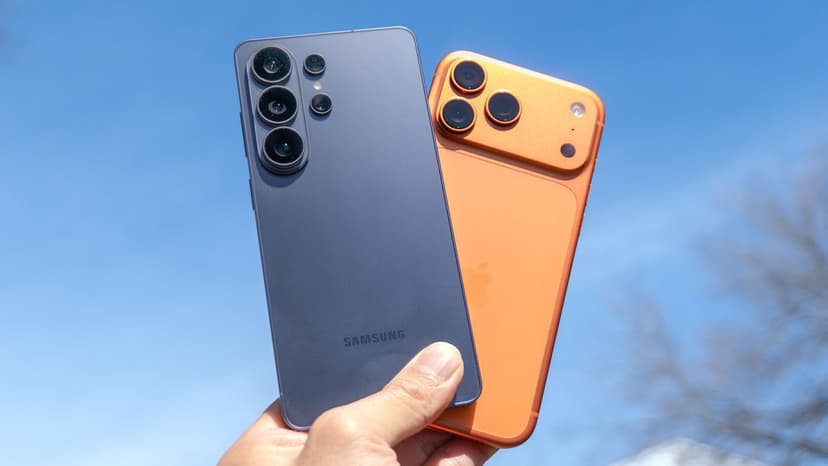
In 2026, the once-heated Android vs. iPhone rivalry has settled into a comfortable status quo for most users, largely due to the significant financial investment in app ecosystems. Previously, users had more choices, including Windows Phone and BlackBerry, but these have since vanished. Switching between platforms is now less common because users are deeply embedded in their chosen ecosystem, having paid for apps, games, and cloud storage.
The hardware divide between flagship iPhones and Android devices has also diminished. Both offer premium displays and professional-grade cameras, with RAM efficiency improvements making historical differences less impactful. Android boasts greater hardware variety and price points, especially in the sub-$500 market, while iPhones maintain a consistent design language but lack foldable options.
Software customization remains an Android strength, with manufacturers offering unique interfaces and features like Samsung DeX. iPhones, however, excel in ecosystem integration, offering seamless experiences like Continuity Camera and iPhone Mirroring. iOS 26 has introduced greater flexibility with lock screen customization and widgets, rivaling Android's adaptability.
Artificial intelligence is now the primary battleground. Android has a head start with integrated AI tools, though features can be fragmented across manufacturers. Apple's AI offerings are improving but are seen as more conservative. Both platforms are now focused on how AI can save users time, becoming the most significant factor in their competitive strategies.
