Home / Technology / Apple's New 'Reference Mode' Adds Camera Sensor Signatures
Apple's New 'Reference Mode' Adds Camera Sensor Signatures
16 Sep
Summary
- iPhone's Reference mode uses sensor-level digital signatures for photo authenticity.
- This feature is opt-in and requires manual activation within camera settings.
- Signed images are stored in DNG format, with a 30-day auto-delete policy for negatives.
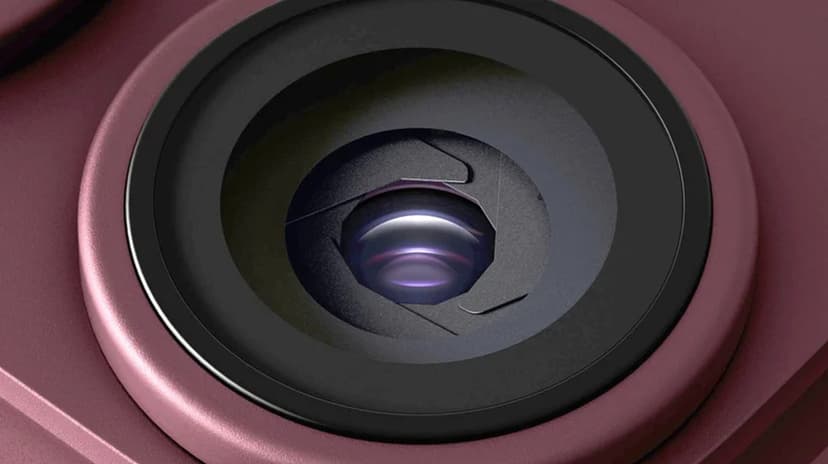
Apple is rolling out 'Reference mode' on the iPhone 18 Pro and Pro Max, a new feature designed to enhance photo authenticity. This mode embeds a digital signature directly from the camera sensor itself, creating a tamper-evident seal for captured images.
The 'Reference mode' is an opt-in feature, requiring users to manually enable it through their iPhone's camera settings. Once activated, the camera sensor converts light into digital data and signs it using its unique cryptographic key. This process includes safeguards to prevent modification of captured data by the sensor's firmware.
This security measure aims to ensure that the image data signed within the sensor is legitimate and hasn't been altered. Apple verifies the sensor's public key via its cloud service, confirming its authenticity and preventing the use of genuine sensors in unauthorized devices to pass off fake photos.
Photographs captured in Reference mode are stored in the Digital Negative (DNG) RAW format, linked to the final image. This digital negative can be retained or shared for later development. After development, the negative is moved to the deleted photos folder, automatically purged after 30 days unless recovered.


