
Home / Technology / Hyundai's Robot Army: Atlas Bots to Join US Auto Plants
Hyundai's Robot Army: Atlas Bots to Join US Auto Plants
29 May
Summary
- Hyundai plans to deploy over 25,000 Atlas robots in US auto plants.
- Georgia plants are slated to receive robots starting in 2028.
- Atlas robots can adapt to unpredictable tasks and learn new skills.
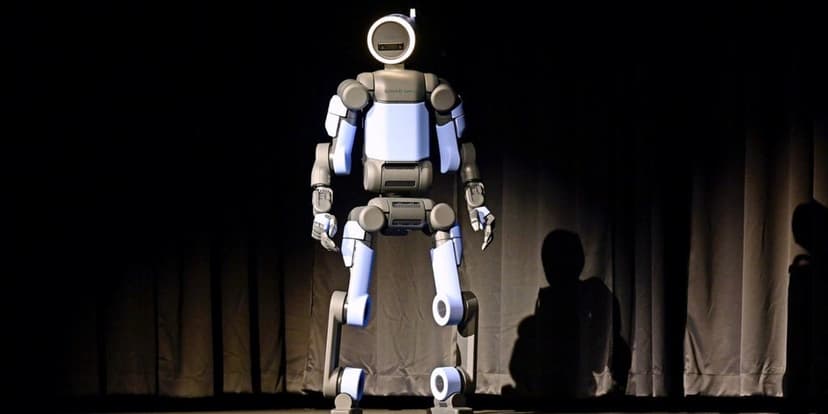
Hyundai plans to introduce Boston Dynamics' Atlas humanoid robots into American auto plants, with Georgia anticipated to be the first location. The company aims to deploy more than 25,000 Atlas robots across its U.S. facilities, with an annual production capacity of 30,000 robots targeted by 2028.
Initial deployment is expected in 2028 at Hyundai Motor Group Metaplant America in Georgia, followed by Kia's Georgia plant in 2029. This strategic move addresses industry pressures such as labor shortages and the need for more efficient operations. Humanoid robots like Atlas can work in spaces designed for humans, reducing the need for extensive factory redesign.
Hyundai seeks to leverage Atlas for physically demanding tasks, potentially enhancing factory safety. Boston Dynamics has trained Atlas to perform complex actions, like lifting a mini-fridge, by learning through simulation and adapting to variable conditions. This adaptability is crucial for real-world factory environments where tasks and conditions can change unexpectedly.
Atlas robots distinguish themselves with advanced proprioception, or internal body awareness, allowing them to adjust to shifts in weight and movement similarly to humans. This capability, combined with a simplified hardware design and efficient actuators, positions Atlas for demanding industrial roles. Hyundai also intends to produce over 300,000 actuator units annually in the U.S.
The integration of thousands of robots raises significant questions about the future of factory employment. While robots may take over strenuous or repetitive tasks, creating new roles in maintenance and oversight, concerns about job displacement persist. Hyundai faces the challenge of demonstrating how Atlas will enhance safety and productivity without negatively impacting its workforce.
This technological shift could eventually impact car buyers, potentially influencing production speed, model availability, and vehicle costs. Consumers may also begin to consider the extent of automation in vehicle manufacturing, altering perceptions of how cars are made. The successful implementation of Atlas in U.S. plants could influence other automakers' automation strategies.
