Home / Technology / Humans and AI: The New Workforce Era
Humans and AI: The New Workforce Era
11 Mar
Summary
- Human judgment remains central in AI-assisted workplaces.
- Productivity now measures human-machine collaboration quality.
- Digital twins bridge the simulation-reality gap for AI.
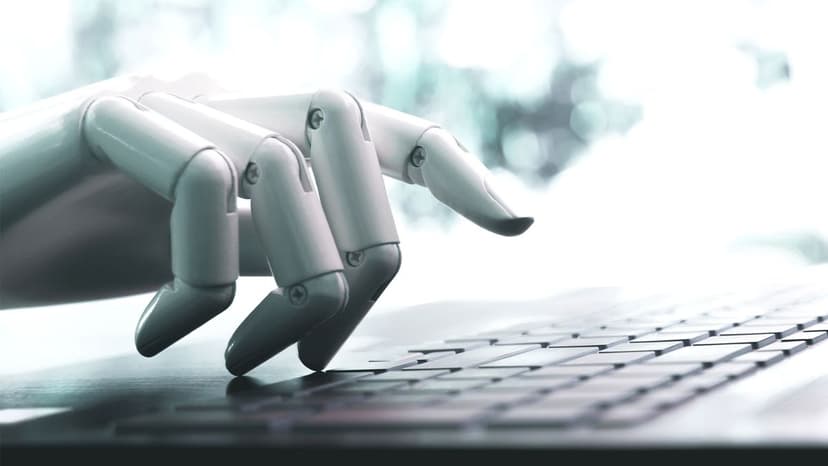
Roles combining digital and technical expertise are now essential, with AI and robots actively participating in work. However, human judgment remains indispensable as these systems connect data to real-world operations across various industries.
The focus has shifted from what machines can achieve alone to how humans and machines can collaborate effectively. Productivity is now measured by the quality of this partnership, where humans act as stewards, guiding, supervising, and taking responsibility for AI behavior.
Addressing the reality gap, where systems trained in simulations struggle with unpredictable real-world conditions, is critical. Digital twins, virtual models updated with live data, provide a solution by mirroring physical systems in real time.
These digital twins create a shared environment for humans and machines to interact safely. They enable systems to learn and adapt effectively, allowing human oversight to validate outcomes before implementation, thereby reducing errors and building trust.