feedzop-word-mark-logo
searchLogin
Feedzop
homeFor YouIndiaIndia
You
bookmarksYour BookmarkshashtagYour Topics
Trending
trending

Gill fit for T20I return

trending

Delhi pollution source study ordered

trending

India-South Africa betting arrests

trending

Starlink announces India pricing

trending

Sensex, Nifty slip on profit

trending

Rahane slams 95 for Mumbai

trending

SSC CGL Tier 1 results

trending

Meesho IPO allotment status

trending

Japan earthquake triggers tsunami alert

Terms of UsePrivacy PolicyAboutJobsPartner With Us

© 2025 Advergame Technologies Pvt. Ltd. ("ATPL"). Gamezop ® & Quizzop ® are registered trademarks of ATPL.

Gamezop is a plug-and-play gaming platform that any app or website can integrate to bring casual gaming for its users. Gamezop also operates Quizzop, a quizzing platform, that digital products can add as a trivia section.

Over 5,000 products from more than 70 countries have integrated Gamezop and Quizzop. These include Amazon, Samsung Internet, Snap, Tata Play, AccuWeather, Paytm, Gulf News, and Branch.

Games and trivia increase user engagement significantly within all kinds of apps and websites, besides opening a new stream of advertising revenue. Gamezop and Quizzop take 30 minutes to integrate and can be used for free: both by the products integrating them and end users

Increase ad revenue and engagement on your app / website with games, quizzes, astrology, and cricket content. Visit: business.gamezop.com

Property Code: 5571

Home / Technology / Google Glass: The Dream and the Nightmare

Google Glass: The Dream and the Nightmare

7 Dec

•

Summary

  • Google Glass launched 13 years ago, aiming to make computers accessible without screens.
  • The product faced immediate backlash despite its innovative potential.
  • Glass's legacy is complex, balancing dreams of future tech with societal concerns.
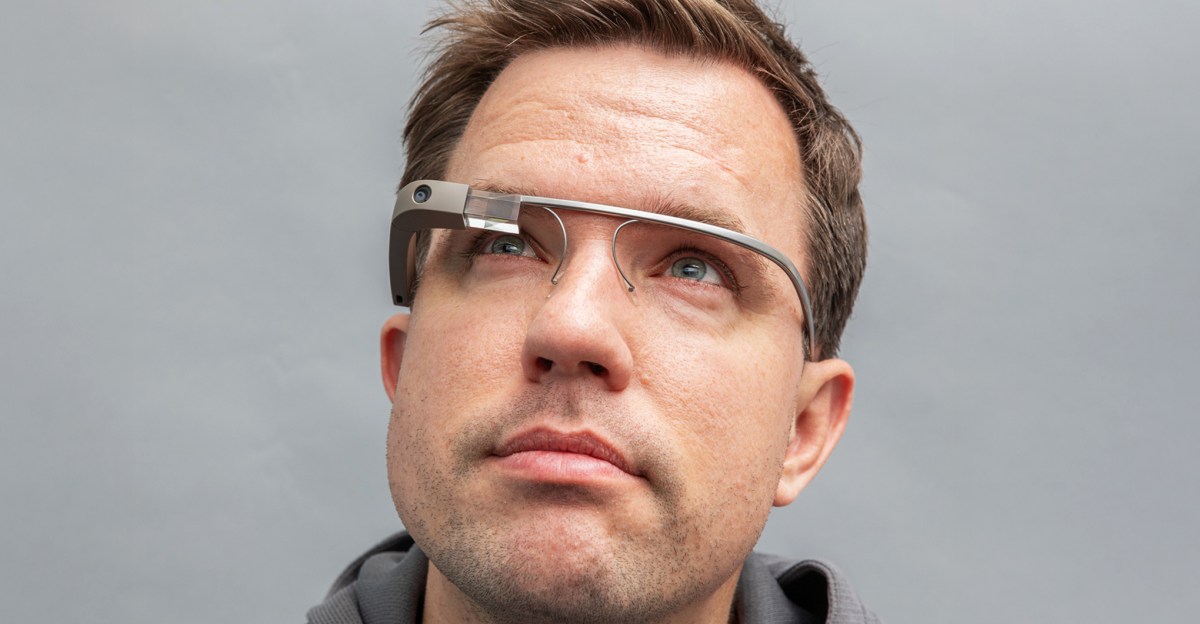
Google Glass: The Dream and the Nightmare

Thirteen years ago, Google Glass emerged, not as the first smart glasses, but as the one that propelled the concept into the mainstream. This innovation promised a future where computer interaction was hands-free and screen-free, allowing users to access information and communicate effortlessly.

However, this vision quickly encountered a harsh reality. The introduction of 'face computers' generated a significant cultural backlash, leading to public resistance and the coining of the term 'Glassholes' to describe users. This immediate negative reaction highlighted deep-seated societal anxieties about privacy and the intrusive nature of pervasive technology.

While Google Glass experienced a swift and public decline, its story is not one of complete extinction. The product's influence persisted, and its underlying concepts have reappeared in various forms. The initial launch and subsequent cultural impact serve as a pivotal, albeit controversial, moment in the history of personal technology.

Disclaimer: This story has been auto-aggregated and auto-summarised by a computer program. This story has not been edited or created by the Feedzop team.
Google Glass aimed to integrate computer functionality into everyday life, allowing users to access information and interact with technology without constantly looking at a screen.
It faced backlash due to privacy concerns and the perception of users as intrusive or aloof, leading to the 'Glassholes' phenomenon.
While the original consumer version was discontinued, Google has continued development with enterprise-focused versions of smart glasses.

Read more news on

Technologyside-arrowGoogleside-arrow

You may also like

Pixel Watch Always-On Display Gets Smarter

1 day ago • 8 reads

article image

Google Foldable Hits Record Low Price

30 Nov • 30 reads

article image

Pixel 9: Flagship AI Powerhouse Now Half Price!

28 Nov • 57 reads

article image

Pixel Maps Mode Saves Hours of Battery

27 Nov • 43 reads

article image

Fake VPNs Steal Android Data!

24 Nov • 85 reads

article image