Home / Technology / Google Android Changes: Rivals Get Easier Access
Google Android Changes: Rivals Get Easier Access
5 Mar
Summary
- Google will allow rivals to offer app stores on Android.
- App developer fees will drop to as low as 10% from 30%.
- Changes aim to resolve US antitrust litigation and EU regulations.
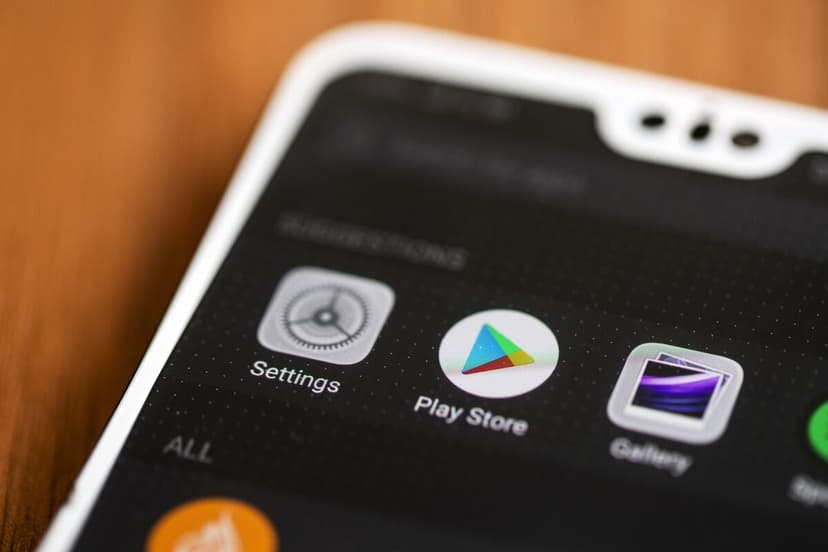
Alphabet Inc.'s Google has announced a significant overhaul of its Android app distribution system, introducing easier access for rival app stores and lower fees for developers. This strategic shift is designed to address US antitrust litigation and comply with evolving regulatory landscapes in Europe and globally.
Under the new proposal, third-party companies can register with Google, pay a one-time fee, and operate their own app stores on Android devices. Furthermore, Google plans to reduce its standard 30% developer fees to as low as 10% for recurring subscriptions, with these changes slated to be implemented in the US, UK, and EU by June and in Australia, Korea, and Japan before the end of 2026.
These developments follow persistent antitrust scrutiny. In March 2025, the European Commission criticized Google for alleged violations of the Digital Markets Act. Google has previously incurred substantial fines from the EU for competition law breaches and was recently given a deadline to lift technical barriers for rival AI search assistants on Android.
In the UK, Google committed last month to implementing app store changes starting in April, following its designation as having Strategic Market Status. In the US, a court filing on Wednesday indicated that Google and Epic Games are nearing a settlement that would permit alternate app stores and app catalog sharing, pending judicial approval.
Google stated that while fee reductions were not mandated by US courts or international legislation, they were undertaken to "modernize" the Android ecosystem. The new fee structure decouples Google's billing system, with developers using alternative payment processors or paying a flat 5% fee for Google's services. A jury previously found Google's Android policies violated antitrust law in 2023, leading to an injunction that mandated catalog sharing and banned preferential treatment for Google services.