Home / Technology / Microsoft's Laser Tech Writes Data Into Glass
Microsoft's Laser Tech Writes Data Into Glass
18 Feb
Summary
- New laser technology stores data within glass, lasting millennia.
- Microsoft's Project Silica records 4.84TB in a 12 sq cm glass.
- Borosilicate glass offers a cheaper, more available alternative.
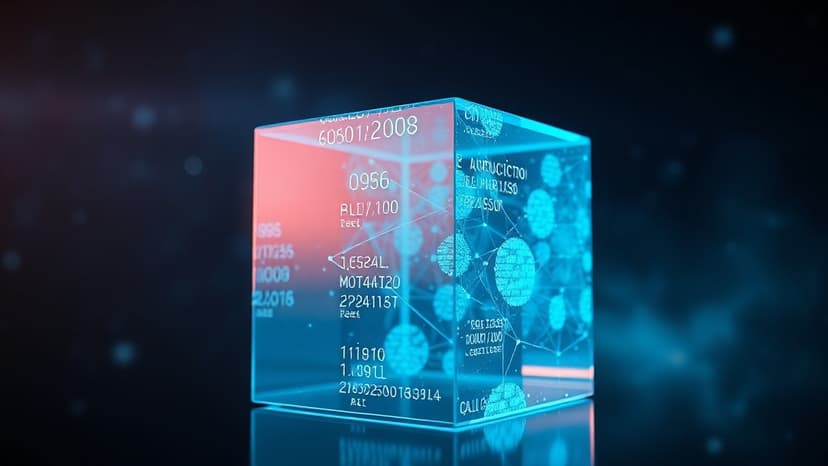
A groundbreaking data storage solution, developed by Microsoft, utilizes lasers to write information into glass, potentially preserving digital archives for thousands of years. Traditional storage methods like hard disks and magnetic tape degrade over time, necessitating frequent data migration. Project Silica, as Microsoft's initiative is known, employs a femtosecond laser to create tiny, symbolic deformations called voxels within a 2mm-thick piece of glass. This method allows for an efficient recording speed of 65.9 million bits per second.
Researchers have demonstrated the capacity to store 4.84TB of data on a mere 12 sq cm of fused silica glass. The team is also investigating the use of borosilicate glass, a more common and economical material, for data preservation. Once written, the data is read by an automated microscope and decoded using machine learning, offering a robust and low-effort operation. Experiments suggest these glass-based records could remain intact for over 10,000 years at room temperature, though widespread adoption will require significant industrial investment and infrastructure development.