

Home / Technology / Scammers Exploit Tiny Charges for Big Fraud
Scammers Exploit Tiny Charges for Big Fraud
29 Mar
Summary
- Scammers use small, ignored charges to test payment methods.
- Ghost tapping involves unauthorized contactless payments.
- Report suspicious charges immediately to your card issuer.
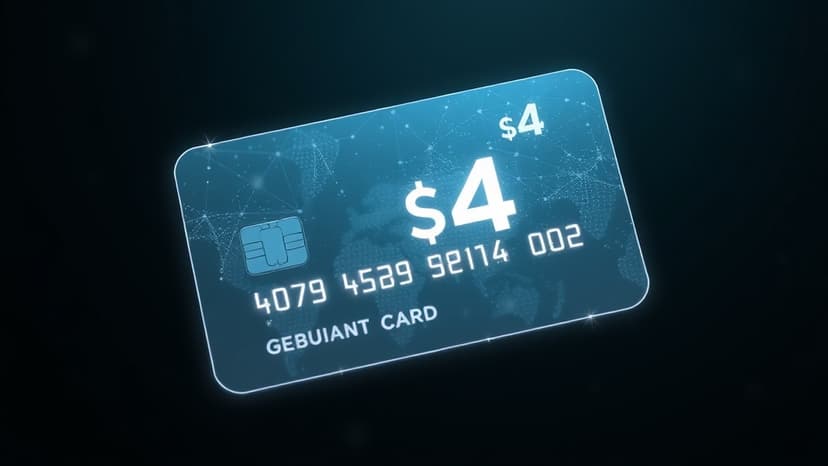
Scammers are leveraging "ghost tapping," a tactic that uses small, easily overlooked charges to test the validity of contactless payment cards. These minimal transactions, sometimes as low as $4, confirm that card details are active and can be charged without immediate detection.
This method can occur through compromised payment terminals or unauthorized NFC readers operating at close range. The aim is to establish a working payment path before initiating more significant fraudulent activities. Delaying reporting these small charges can allow multiple transactions to accumulate across different merchants or dates.
Consumer protection agencies and law enforcement urge individuals to regularly check their accounts and promptly report any unfamiliar charges to their card issuer. Credit cards generally offer stronger fraud protections than debit cards, but timely reporting is essential under federal law.
To mitigate risks, individuals can set up real-time transaction alerts, utilize mobile payment services like Apple Pay and Google Pay which employ tokenization, and physically protect contactless cards in crowded areas. Reviewing transactions every few days, rather than relying solely on monthly statements, is also recommended.
For enhanced security, identity and credit monitoring services can track broader financial and personal information changes across accounts and credit files. These services can also scan for exposed data in breaches and dark web marketplaces, providing alerts and assistance in managing fraud recovery.
