Home / Technology / Macs to Run Windows Games: GameSir's New Tool
Macs to Run Windows Games: GameSir's New Tool
18 Feb
Summary
- GameSir announced a macOS version of its Windows emulation tool.
- The tool aims to allow Macs to run Windows games, including Steam titles.
- Previous Android version faced compatibility issues and privacy concerns.
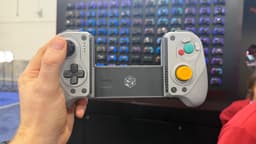
GameSir, known for gaming peripherals, is set to release a macOS version of its GameHub app, which includes the GameFusion emulator. This tool aims to enable Mac users to run Windows games, including titles from Steam, natively on their devices. The company claims the technology will unlock an entire Steam library for Mac owners.
While the promise of running Windows games on Mac is appealing, GameSir's previous Android version of GameHub encountered significant compatibility challenges, with user reports indicating inconsistent performance across various games. Additionally, the Android app faced controversy regarding invasive trackers, although GameSir stated these have since been removed and were standard practice in the Chinese market.
GameSir's motivation for developing this emulation technology reportedly includes boosting sales of its controllers, though the Android version did not require them. The company asserts its Windows emulator was developed in-house, distinct from open-source projects like Wine, though it does reference UI components from Winlator.
The upcoming Mac version promises features like proprietary AI frame interpolation, building on a recent native rendering mode update for Android that improved frame rates. Despite these advancements, the history of compatibility issues and corporate controversies suggests GameSir's tool may not be the definitive solution many Apple gamers are seeking, but it offers another option for playing Windows games on a Mac.
As of February 18, 2026, the macOS version is stated to be "coming soon," indicating a future release. The Android version was officially released on Google Play in November, and prior to that, it had been sideloaded on approximately 5 million devices, predominantly in China.