Home / Technology / US Drafts Rules for Clean Fusion Power
US Drafts Rules for Clean Fusion Power
27 Feb
Summary
- US Nuclear Regulatory Commission published a draft rule for fusion energy.
- The proposed framework addresses byproduct materials like tritium.
- The NRC aims for a less stringent framework than current nuclear fission plants.
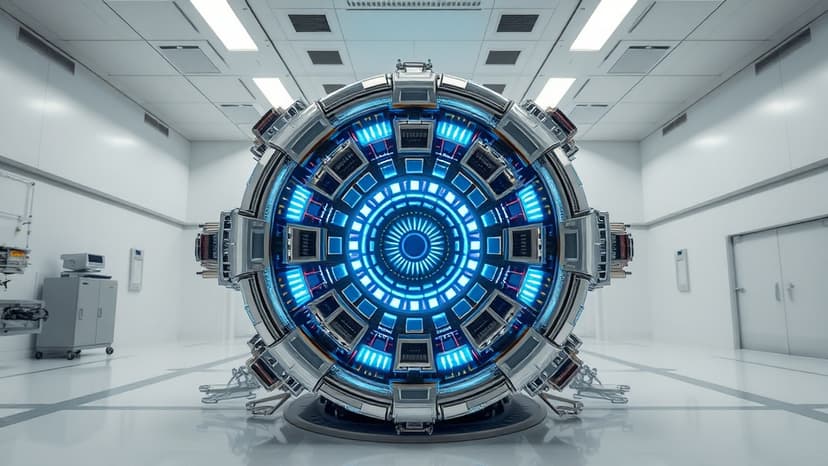
A proposed regulatory framework for fusion energy was unveiled by the U.S. Nuclear Regulatory Commission on Thursday, marking a significant step toward enabling this emerging technology. Fusion power, which aims to generate electricity without long-lived radioactive waste, has been pursued for decades by scientists globally.
The draft rule focuses on managing byproduct materials such as tritium and neutron activation products generated by fusion machines, ensuring public health and safety. This approach is notably less stringent than the regulatory framework governing current fission power plants, which produce radioactive waste requiring long-term storage.
The Fusion Industry Association is currently reviewing the draft, viewing it as a positive move toward regulatory clarity. While industry leaders hope to bring fusion power to the grid by the 2030s, challenges remain in achieving continuous reactions and developing materials that can withstand long-term neutron bombardment.
Comments on the proposed rule are being accepted by the NRC until May 27. This regulatory pathway is crucial for companies investing billions in fusion projects aiming to harness the power source of the sun.