feedzop-word-mark-logo
searchLogin
Feedzop
homeFor YouIndiaIndia
You
bookmarksYour BookmarkshashtagYour Topics
Trending
Terms of UsePrivacy PolicyAboutJobsPartner With Us

© 2026 Advergame Technologies Pvt. Ltd. ("ATPL"). Gamezop ® & Quizzop ® are registered trademarks of ATPL.

Gamezop is a plug-and-play gaming platform that any app or website can integrate to bring casual gaming for its users. Gamezop also operates Quizzop, a quizzing platform, that digital products can add as a trivia section.

Over 5,000 products from more than 70 countries have integrated Gamezop and Quizzop. These include Amazon, Samsung Internet, Snap, Tata Play, AccuWeather, Paytm, Gulf News, and Branch.

Games and trivia increase user engagement significantly within all kinds of apps and websites, besides opening a new stream of advertising revenue. Gamezop and Quizzop take 30 minutes to integrate and can be used for free: both by the products integrating them and end users

Increase ad revenue and engagement on your app / website with games, quizzes, astrology, and cricket content. Visit: business.gamezop.com

Property Code: 5571

Home / Technology / Fake BSOD Attacks: Hospitality Industry Targeted

Fake BSOD Attacks: Hospitality Industry Targeted

7 Jan

•

Summary

  • Cybercriminals exploit the Windows Blue Screen of Death to deploy malware.
  • A campaign targets the hotel and hospitality sector with a RAT.
  • Attackers use fake CAPTCHAs and malicious scripts to gain access.
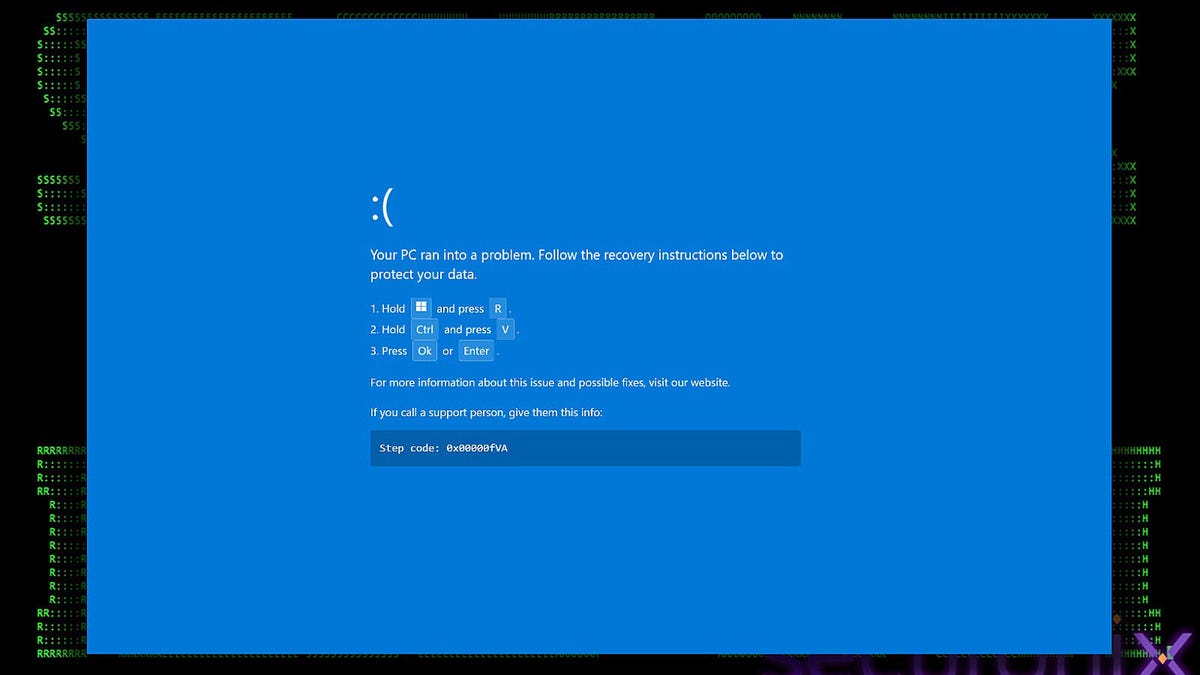
Fake BSOD Attacks: Hospitality Industry Targeted

Cybercriminals are now weaponizing the familiar Windows Blue Screen of Death (BSOD) to distribute malware through a sophisticated campaign targeting the hospitality industry. This multi-stage attack chain, tracked as PHALT#BLYX, begins with phishing emails directing recipients to a fake Booking.com page. After presenting a deceptive CAPTCHA, a simulated BSOD appears, prompting users to "fix" it by executing malicious code.

The core of the attack involves a 'ClickFix' tactic, persuading victims to copy and paste a PowerShell command. This command downloads an MSBuild project file that disables Windows Defender and establishes persistence. The ultimate payload is an obfuscated version of DCRat, a potent remote access trojan capable of keylogging and deploying further malicious software.

This campaign strategically launched during the hotel industry's busy holiday season and leverages the popularity of Booking.com. Evidence, including Russian language in a project file and euro-denominated charges in phishing emails, points towards Russian threat actors targeting businesses in Europe. While average home users are less likely to be affected, organizations in the hospitality sector must remain vigilant.

trending

Republic Day parade tickets available

trending

Slick roads in Wyoming

trending

Foggy conditions expected inshore

trending

Uber outperforms broader market

trending

IPL financial powerhouse explained

trending

LeBron James injury report

trending

Lockheed Martin in India

trending

Nigeria Algeria Africa Cup History

trending

Cameroon vs Morocco quarter-final

Disclaimer: This story has been auto-aggregated and auto-summarised by a computer program. This story has not been edited or created by the Feedzop team.
PHALT#BLYX is a cyberattack campaign using fake BSOD screens to deploy a remote access trojan (RAT) on the hospitality industry.
Attackers simulate a Windows Blue Screen of Death to trick victims into executing malicious scripts, believing they are fixing a system error.
The attack deploys DCRat, a remote access trojan (RAT) that allows attackers to control infected computers and install additional malware.

Read more news on

Technologyside-arrow

You may also like

ChatGPT's New Apps Vulnerable to 'ZombieAgent' Attacks

17 hours ago • 4 reads

article image

Android 911 Calls Get Live Video Boost

12 Dec, 2025 • 154 reads

article image

Massive 30Tbps Botnet Attack Grows Stronger

5 Dec, 2025 • 174 reads

article image

Black Friday Deal: Slash Price on Pro Tech Toolkit

29 Nov, 2025 • 158 reads

article image

Nvidia Fires Back at AI Bubble Accusations

27 Nov, 2025 • 227 reads

article image