Home / Technology / EVs Get a Range Boost: Extended Range is Here
EVs Get a Range Boost: Extended Range is Here
5 Feb
Summary
- Automakers are shifting towards extended-range EVs (EREVs) to meet customer demand for longer driving distances.
- EREVs use a gas generator solely to charge the battery, offering significant electric-only range.
- Consumer interest in EREVs is growing, particularly in the U.S., Germany, and the UK.
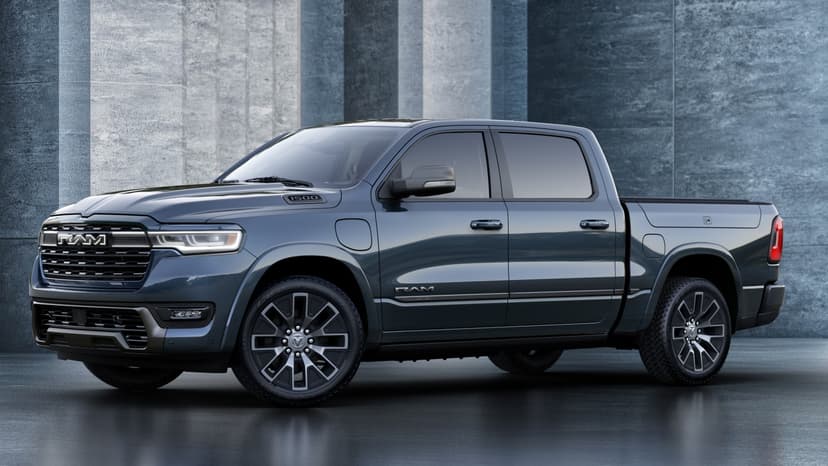
Automakers are now pivoting to extended-range electric vehicles (EREVs) as they navigate customer preferences for electric mobility. This shift comes after initial challenges, such as the F-150 Lightning, the best-selling electric pickup last year, highlighted the complexities of meeting diverse EV demands. Ford, Stellantis' Ram, and Scout Motors are planning to introduce EREV models by 2027.
EREVs, or series hybrids, differ from typical hybrids as their gasoline engine exclusively charges the battery. This configuration, combined with larger batteries, allows for extended electric-only driving ranges. Ram and Scout anticipate their EREVs will offer approximately 150 miles of electric driving before the gasoline generator activates.
This move is partly inspired by the booming popularity of EREVs in markets like China, where their numbers have surged by 40% in just one year. A recent McKinsey survey indicated that a significant percentage of car buyers in Germany, the UK, and the U.S. would consider an EREV over other vehicle types, with the U.S. showing the highest interest.
EREVs are seen as a compelling option for consumers interested in electric vehicles but hesitant about full commitment. They offer the benefits of electric driving, faster charging capabilities, and extended overall range without the complete dependence on charging infrastructure that pure EVs require.