

Home / Technology / Wallace's Trousers Are Real: Meet the Exoskeleton
Wallace's Trousers Are Real: Meet the Exoskeleton
4 Apr
Summary
- Exoskeletons offer 10-40% more power with the same effort.
- Priced from £789 to £1,599, they target athletes and older adults.
- The device makes legs feel less tired, allowing greater distance coverage.
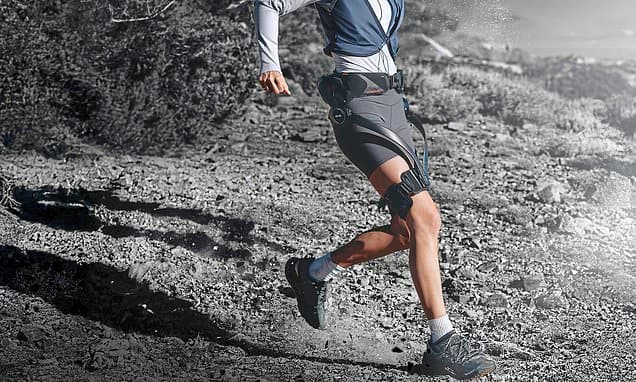
The next significant advancement in personal transport might not be autonomous vehicles or electric scooters, but wearable exoskeletons. These robotic devices are engineered to augment human locomotion, enabling users to walk and run with increased speed and endurance. A motorized harness worn around the waist connects to thigh paddles, reducing the physical effort required for movement and providing an estimated 10 to 40 percent boost in power.
Developed and manufactured in China, exoskeletons are now beginning to appear on the market. Companies like Hypershell offer these devices, with prices ranging from £789 to £1,599, making them a considerable investment, though comparable to high-quality electric bikes. The primary target market includes older adults facing mobility challenges, as well as athletes and outdoor enthusiasts like runners, hikers, and mountain bikers aiming to extend their performance range.
Testing reveals that exoskeletons deliver a powerful workout while leaving legs feeling notably less fatigued. This allows users to cover greater distances or ascend inclines with an 'afterburner' effect, a sensation likened to Wallace's animated electronic trousers. While the technology is highly effective, users might attract curious attention due to their altered gait and appearance. Despite initial adjustments and a learning curve for donning the device, the potential benefits for extended, less strenuous travel are significant, with rechargeable batteries offering all-day use.
