

Home / Technology / EVs: Heavier Cars, Hidden Strengths
EVs: Heavier Cars, Hidden Strengths
10 Apr
Summary
- Electric vehicles are heavier due to large lithium-ion batteries.
- Hyundai Creta EV is 35% heavier than its petrol version.
- EV weight offers benefits like better traction and stability.
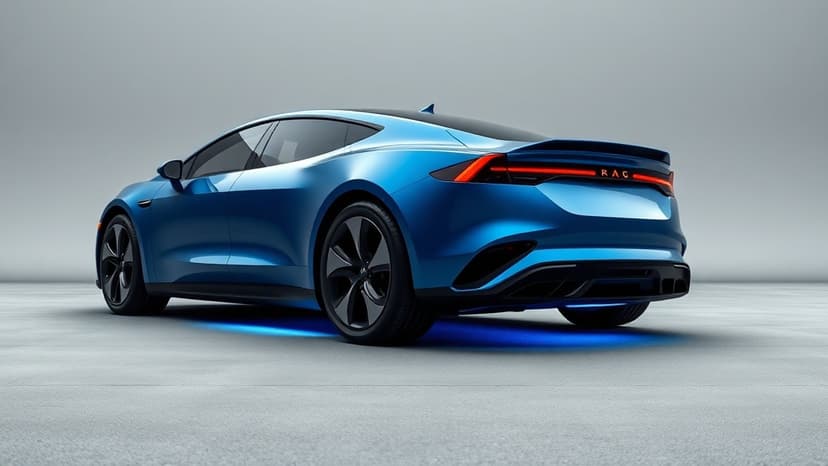
Electric vehicles (EVs) generally weigh more than traditional internal combustion engine (ICE) cars due to their substantial lithium-ion battery packs. A 50 kWh battery alone can weigh between 300 and 500 kilograms, contributing significantly to the overall vehicle mass. This weight difference is notable, with models like the Hyundai Creta EV being approximately 35% heavier than their ICE equivalents.
Automakers are employing lightweight composite materials to counteract this added weight, aiming to improve efficiency and extend the driving range of EVs. These materials, often combining plastics with reinforced thermoplastics, offer substantial weight savings. Panasonic Automotive, for example, has developed components that are lighter and consume less power without performance compromise.
While increased weight can lead to drawbacks such as longer braking distances and reduced agility, it also offers distinct advantages. The heavy battery pack improves traction and, due to its low placement, lowers the vehicle's center of gravity, enhancing stability and handling. Additionally, regenerative braking helps offset energy inefficiencies, and the added mass can contribute to better occupant protection in the event of a crash.
