Home / Technology / EVs Drain Power While Parked: The Hidden Cost
EVs Drain Power While Parked: The Hidden Cost
25 Oct
Summary
- EV batteries naturally lose charge through self-discharge.
- Systems like battery checks and convenience tech drain power.
- Optional features like Sentry Mode significantly increase drain.
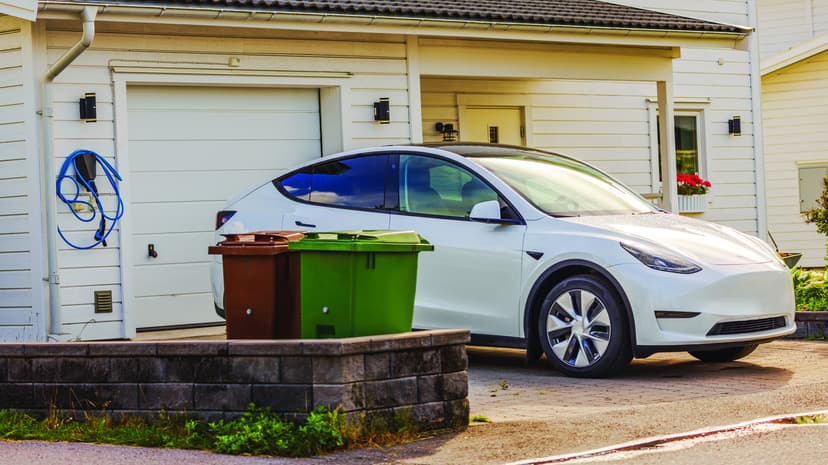
Electric vehicles experience battery drain even when parked, a phenomenon that can be more significant than anticipated. This energy loss occurs through natural self-discharge and the continuous operation of various vehicle systems. The battery management system periodically checks conditions and can use the high-voltage battery to maintain the lower-voltage systems.
Convenience technology further contributes to power consumption. Features such as remote status checks, climate control preconditioning, and infotainment systems all draw power. Additionally, third-party applications that repeatedly wake a sleeping vehicle can exacerbate this drain. Optional security features, like Tesla's Sentry Mode or Rivian's Gear Guard, which utilize cameras and sensors, also consume considerable energy.
The extent of the drain varies. While some estimates suggest around 1 percent loss per day, others indicate much lower figures for sleeping vehicles, ranging from 0.1 to 0.3 percent daily. However, energy-intensive features can lead to several percent loss daily. Battery size also plays a role, making the same kilowatt-hour loss more noticeable in smaller city EVs compared to larger battery packs. To mitigate long-term drain, it is recommended to turn off unneeded surveillance and climate controls, limit app activity, and maintain a charge around 50 percent during extended storage. Tesla even advises keeping the Model 3 plugged in when not in use for several weeks.


