Home / Technology / Empty Driver's Seat: AI's Economic Impact
Empty Driver's Seat: AI's Economic Impact
29 Oct
Summary
- Driverless cars pose a significant threat to existing driving jobs.
- Robotaxis could cost up to 85,600 jobs and $220 million in wages.
- New tech offers customer benefits like choice and potentially enhanced safety.
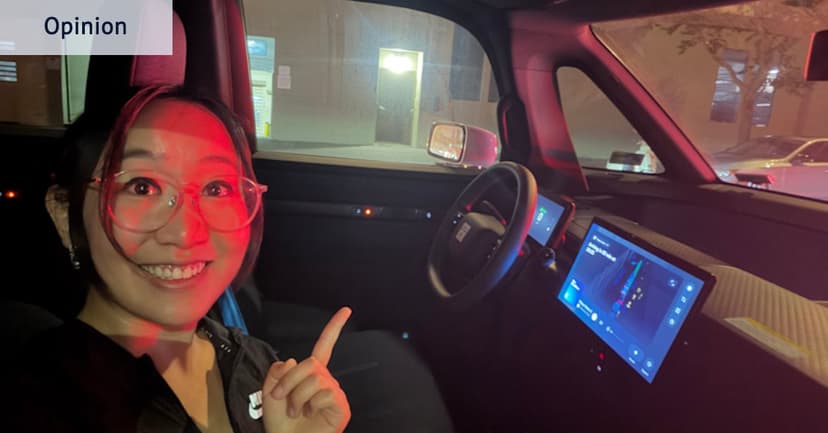
Driverless rideshare platforms, exemplified by Waymo, are increasingly being deployed across the US and are slated for potential introduction in Australia. This technological advancement presents a dual-edged sword, offering potential customer benefits like enhanced choice and safety, while simultaneously raising significant concerns about job security for human drivers. The Transport Workers' Union in Australia has called for a 'human driver guarantee' to ensure human drivers retain a substantial portion of ride-share jobs during the initial rollout.
Concerns are amplified by economic projections suggesting widespread adoption without protections could lead to substantial job losses, potentially up to 85,600 positions and $220 million in wages. Early data from areas with robotaxis show a decrease in per-trip earnings for drivers. While new roles may emerge, they are unlikely to compensate for the scale of driver positions lost. The union also seeks to ensure that profits from these multinational platforms benefit the Australian economy rather than solely flowing offshore.


