Home / Technology / Dolby Atmos vs. Lossless: What's Better for Sound?
Dolby Atmos vs. Lossless: What's Better for Sound?
28 Aug
Summary
- Dolby Atmos offers 3D sound, while lossless preserves original audio quality.
- Many platforms don't allow Dolby Atmos and lossless audio simultaneously.
- Lossy compression reduces file size but discards some audio data.
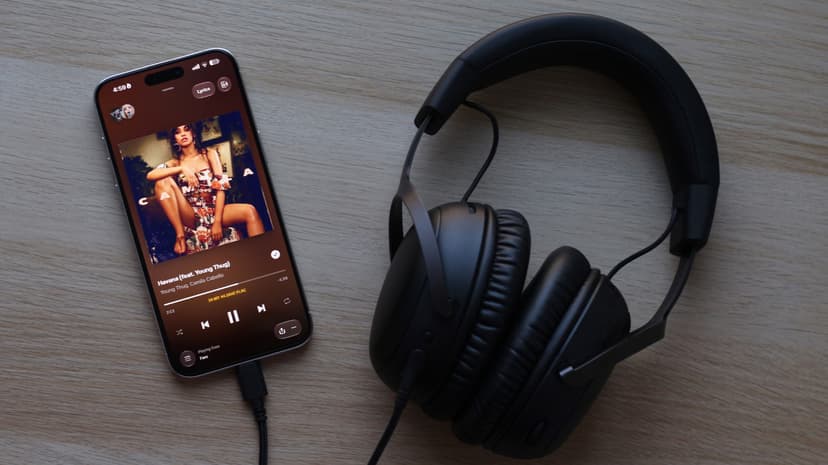
Exploring premium audio options reveals fundamental differences between Dolby Atmos and lossless audio. Dolby Atmos, an object-based system, crafts a three-dimensional soundstage, moving beyond traditional stereo by placing sounds precisely in 3D space.
Lossless audio, conversely, prioritizes the integrity of the music itself. Unlike compressed formats like MP3 that sacrifice audio data for smaller file sizes, lossless audio ensures bit-perfect playback, delivering the sound as the producer intended.
It's important to note that enjoying both simultaneously is rare on streaming services. Dolby Atmos often employs lossy codecs, whereas lossless formats utilize codecs like FLAC or ALAC. While high-fidelity formats exist for both, they are typically separate experiences.


