Home / Technology / US Firms Face AI Challenge from Subsidized China
US Firms Face AI Challenge from Subsidized China
22 Feb
Summary
- China's government provides billions in AI subsidies, reducing operational costs.
- Low-cost Chinese AI tools are attractive to developing nations globally.
- Microsoft is investing $50 billion by 2030 to boost AI in developing countries.
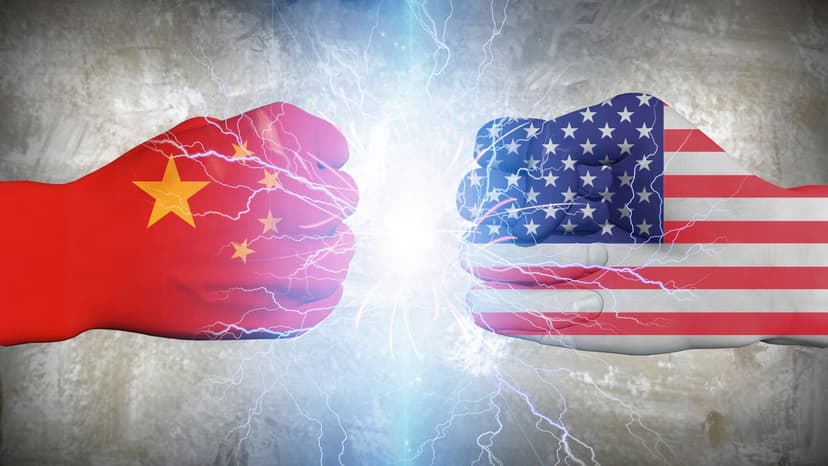
American technology firms are encountering escalating challenges as China deploys affordable artificial intelligence tools bolstered by significant government backing. Beijing's strategic financial support, encompassing a national AI fund and operational cost reductions through vouchers, offers domestic companies a substantial competitive advantage.
Microsoft's president, Brad Smith, has drawn parallels to China's previous success in telecommunications, where state-backed entities disrupted global markets. He suggests similar strategies could make Chinese AI offerings highly attractive in developing nations, where cost-effectiveness is paramount.
Chinese AI companies are rapidly expanding internationally, often partnering with local providers rather than establishing their own infrastructure. This approach, combined with government-supported data centers and favorable energy prices in many Chinese regions, creates a significant cost advantage for deploying AI models at scale.
In response to this evolving landscape, Microsoft is committing $50 billion by 2030 to its AI initiatives in developing countries. These investments will focus on infrastructure, training, and tools designed to enhance local productivity, aiming to maintain a competitive edge in the global AI market.