Home / Technology / EVs Out, Robots In: CES Shifts Focus to AI
EVs Out, Robots In: CES Shifts Focus to AI
7 Jan
Summary
- Hyundai debuted a humanoid robot, signaling a shift from EVs to AI.
- Major automakers are pivoting to AI and robotaxis, downplaying EV plans.
- EV market faces slowdown due to policy changes and production costs.
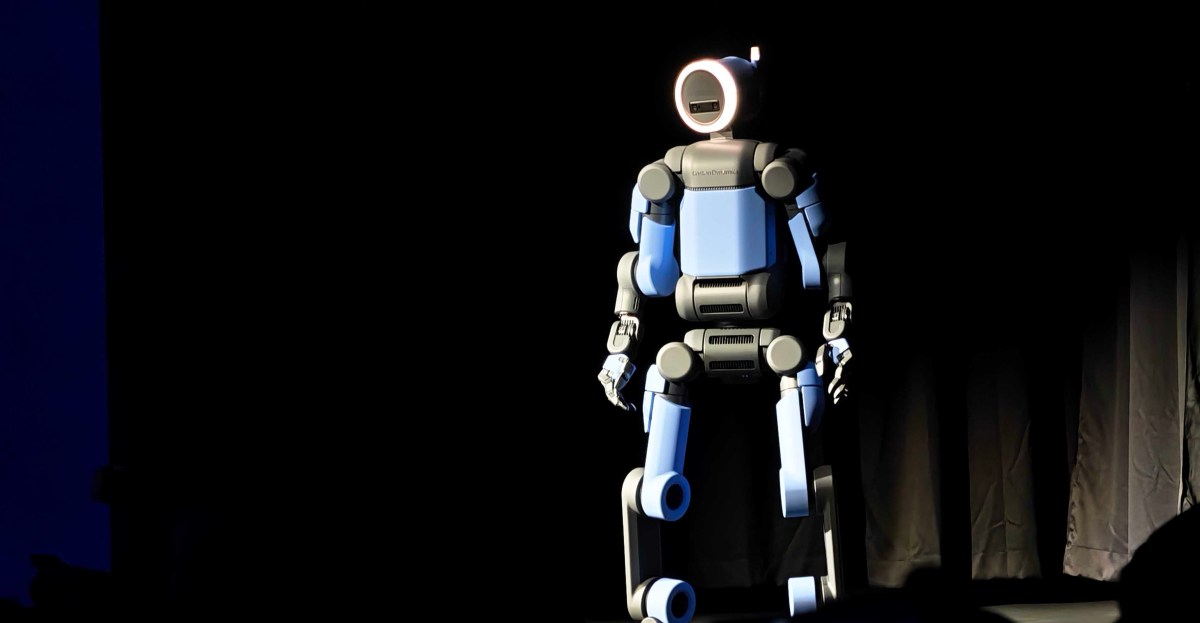
The world's largest electronics show, CES, has increasingly become a platform for artificial intelligence and robotics, with automakers notably shifting focus away from electric vehicles (EVs). Hyundai's keynote featured the Atlas humanoid robot, a stark contrast to previous years dominated by EV concepts. This move signals a broader industry trend: EVs are being sidelined in favor of AI-driven technologies like robotaxis and advanced driver-assistance systems.
Major players are aligning with this new direction. Mercedes-Benz plans to introduce its advanced driver-assist feature in the US later this year, while Uber is set to launch its Lucid Gravity robotaxi in 2026. Nvidia, a key AI player, announced new open-source models designed to power autonomous features. This pivot occurs amidst a challenging outlook for the EV market, with growth expected to slow in 2026 due to subsidy changes and wavering governmental policies.
Automakers are responding by scaling back EV commitments and focusing on hybrids and extended-range EVs. The overwhelming investor interest in AI has pushed car companies to develop AI strategies, chatbots, and even humanoid robots to maintain market relevance. While CES once celebrated the future of electric mobility, it now reflects an industry increasingly captivated by the promise of artificial intelligence and autonomous transport.