feedzop-word-mark-logo
searchLogin
Feedzop
homeFor YouIndiaIndia
You
bookmarksYour BookmarkshashtagYour Topics
Trending
Terms of UsePrivacy PolicyAboutJobsPartner With Us

© 2026 Advergame Technologies Pvt. Ltd. ("ATPL"). Gamezop ® & Quizzop ® are registered trademarks of ATPL.

Gamezop is a plug-and-play gaming platform that any app or website can integrate to bring casual gaming for its users. Gamezop also operates Quizzop, a quizzing platform, that digital products can add as a trivia section.

Over 5,000 products from more than 70 countries have integrated Gamezop and Quizzop. These include Amazon, Samsung Internet, Snap, Tata Play, AccuWeather, Paytm, Gulf News, and Branch.

Games and trivia increase user engagement significantly within all kinds of apps and websites, besides opening a new stream of advertising revenue. Gamezop and Quizzop take 30 minutes to integrate and can be used for free: both by the products integrating them and end users

Increase ad revenue and engagement on your app / website with games, quizzes, astrology, and cricket content. Visit: business.gamezop.com

Property Code: 5571

Home / Technology / Car Touchscreens: More Dangerous Than Your Phone?

Car Touchscreens: More Dangerous Than Your Phone?

14 Jan

•

Summary

  • Touchscreen use impairs driver reaction time by over 50 percent.
  • Experts warn complex interfaces combine visual, manual, and cognitive distractions.
  • Australia and New Zealand will require physical buttons from 2026.
Car Touchscreens: More Dangerous Than Your Phone?

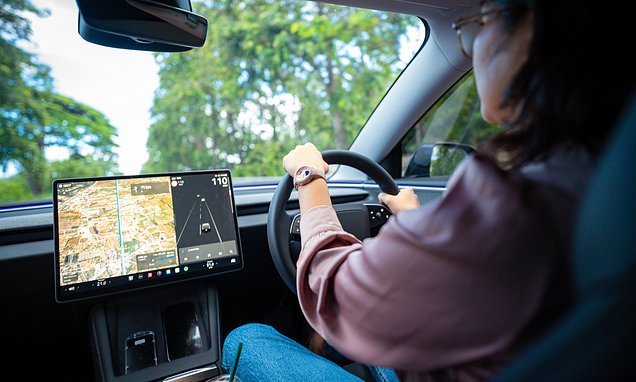
Modern car touchscreens, often lauded for luxury, are increasingly being identified as a serious safety hazard. Experts are warning that interacting with these complex interfaces can impair driver reaction times by over 50 percent, exceeding the risks associated with using mobile phones while driving. This heightened distraction stems from the combined visual, manual, and cognitive demands of touchscreen use.

The implications of this distraction are significant, as studies indicate that extended periods away from the road are required to operate basic functions. This contrasts sharply with traditional manual buttons, which can be operated by muscle memory without compromising road awareness. The growing concern is leading to calls for a return to physical controls for essential features.

In response to these safety concerns, regulatory bodies are taking action. Australia and New Zealand's ANCAP Safety program will require manufacturers to reintroduce physical buttons for key controls by 2026. This move aims to mitigate the risks posed by distracting in-car technology and prioritize safe driving practices.

trending

Afghan student found dead at MSU

trending

KNRUHS scraps maternity fee

trending

IIT JAM 2026 admit card

trending

Blinkit ends 10-minute delivery

trending

SBI Clerk Mains Result Soon

trending

Michigan State vs Indiana

trending

Tata Punch facelift launched

trending

Gujarat Giants vs Mumbai Indians

trending

Delhi takes on Vidarbha

Disclaimer: This story has been auto-aggregated and auto-summarised by a computer program. This story has not been edited or created by the Feedzop team.
Car touchscreens can be more dangerous, significantly impairing driver reaction times by over 50 percent, compared to mobile phone use which increases it by 35-46 percent.
Touchscreens demand visual attention, manual input, and cognitive processing, creating a dangerous combination of distractions that takes drivers' eyes and minds off the road.
ANCAP Safety will require car manufacturers to bring back physical buttons for essential controls starting in 2026 to reduce driver distraction.

Read more news on

Technologyside-arrow

You may also like

Garmin & Meta: Control Cars With Your Mind?

7 Jan • 27 reads

article image

CES 2026: Car Dashcam Sees Through Darkness with Thermal Vision

7 Jan • 11 reads

article image

Moto Watch: Polar Power Meets Smart Style

7 Jan • 41 reads

Motorola Teases Foldable Phone & 4-Camera Signature

5 Jan • 42 reads

article image

Solver: Haptic Buttons for Smartphones

5 Jan • 48 reads

article image