feedzop-word-mark-logo
searchLogin
Feedzop
homeFor YouIndiaIndia
You
bookmarksYour BookmarkshashtagYour Topics
Trending
Terms of UsePrivacy PolicyAboutJobsPartner With Us

© 2026 Advergame Technologies Pvt. Ltd. ("ATPL"). Gamezop ® & Quizzop ® are registered trademarks of ATPL.

Gamezop is a plug-and-play gaming platform that any app or website can integrate to bring casual gaming for its users. Gamezop also operates Quizzop, a quizzing platform, that digital products can add as a trivia section.

Over 5,000 products from more than 70 countries have integrated Gamezop and Quizzop. These include Amazon, Samsung Internet, Snap, Tata Play, AccuWeather, Paytm, Gulf News, and Branch.

Games and trivia increase user engagement significantly within all kinds of apps and websites, besides opening a new stream of advertising revenue. Gamezop and Quizzop take 30 minutes to integrate and can be used for free: both by the products integrating them and end users

Increase ad revenue and engagement on your app / website with games, quizzes, astrology, and cricket content. Visit: business.gamezop.com

Property Code: 5571

Home / Technology / Brain Wearables: What Doctors Really Say

Brain Wearables: What Doctors Really Say

7 Jan

•

Summary

  • Wearables offer early warning signs, not diagnoses.
  • Temple devices measure blood flow, not brain health.
  • Medical tests remain the gold standard for brain diagnosis.
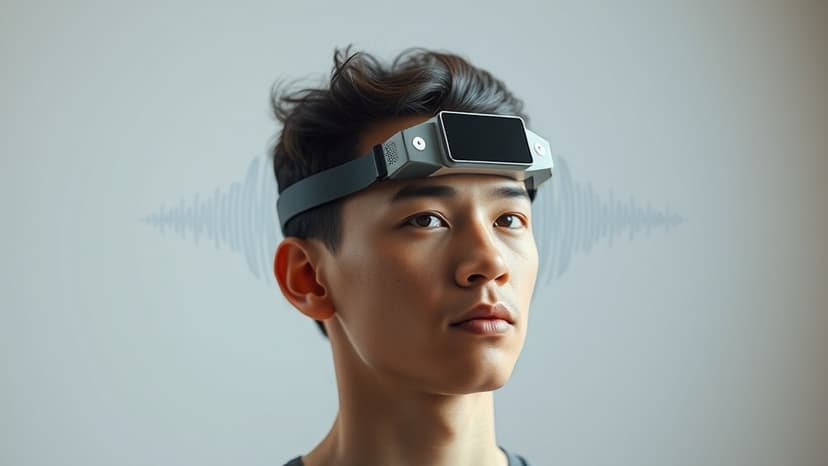
Brain Wearables: What Doctors Really Say

Wearable technology, including devices like the Temple device recently seen on Zomato CEO Deepinder Goyal, is increasingly marketed for brain health monitoring. While these gadgets can collect valuable real-world data and potentially flag early warning signs for conditions like stroke or Parkinson's disease, neurologists stress their limitations. These devices are useful for tracking progress in diagnosed patients or for general wellness, but they cannot replace clinical evaluations or advanced medical imaging.

Experts clarify that many brain-focused wearables primarily measure physiological signals such as blood flow, not complex neurological activity. They cannot diagnose conditions such as epilepsy, dementia, or stroke. Established medical tests like EEG, MRI, and CT scans remain the definitive tools for accurate diagnosis, offering a level of precision that current wearables cannot match. Over-reliance on consumer tech without medical supervision can lead to misinterpretation.

trending

District employees commit fraud

trending

Anil Agarwal son death

trending

Real Madrid reach Supercup final

trending

Delhi temperature drops to 5.8°C

trending

EPL table: Arsenal leads

trending

PSG wins Trophée des Champions

trending

Delhi NCR cold wave

trending

Chennai weekend heavy rain forecast

Neurologists advise viewing wearables as assistive tools, offering insights that should prompt consultation with a medical professional rather than causing alarm. For individuals experiencing severe symptoms like weakness or speech difficulties, immediate medical attention is critical, irrespective of wearable data. While future brain-computer interfaces show promise, currently, clinically validated brain wearables are still a long way off, with medical judgment remaining paramount in brain health assessment.


Disclaimer: This story has been auto-aggregated and auto-summarised by a computer program. This story has not been edited or created by the Feedzop team.
No, the Temple device and similar wearables cannot diagnose brain diseases; they may only offer early warning signals.
Wearables cannot replace medical tests like MRI or EEG and primarily track physiological data, not direct brain activity.
Yes, for individuals with diagnosed conditions, wearables can help monitor symptoms and track recovery progress.

Read more news on

Technologyside-arrow

You may also like

AI Predicts Diseases Years in Advance From Sleep

15 hours ago • 21 reads

article image

CES: Korean Startup Revolutionizes Brain Therapy

3 hours ago • 2 reads

article image

Full Body Scan Catches Cancer Early

1 day ago • 3 reads

article image

Dance Your Way to a Sharper Mind

6 Jan • 17 reads

article image

Move Freely: Awareness Session Tackles Parkinson's

9 Dec, 2025 • 141 reads

article image