Home / Technology / Brain Wearables: What Doctors Really Say
Brain Wearables: What Doctors Really Say
7 Jan
Summary
- Wearables offer early warning signs, not diagnoses.
- Temple devices measure blood flow, not brain health.
- Medical tests remain the gold standard for brain diagnosis.
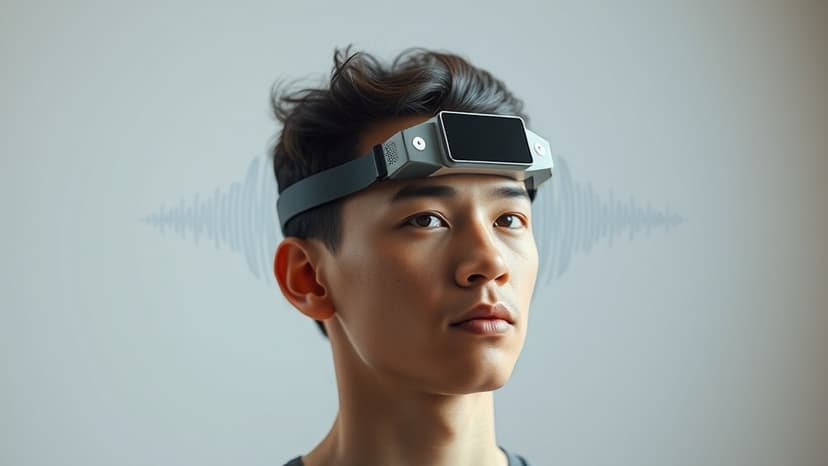
Wearable technology, including devices like the Temple device recently seen on Zomato CEO Deepinder Goyal, is increasingly marketed for brain health monitoring. While these gadgets can collect valuable real-world data and potentially flag early warning signs for conditions like stroke or Parkinson's disease, neurologists stress their limitations. These devices are useful for tracking progress in diagnosed patients or for general wellness, but they cannot replace clinical evaluations or advanced medical imaging.
Experts clarify that many brain-focused wearables primarily measure physiological signals such as blood flow, not complex neurological activity. They cannot diagnose conditions such as epilepsy, dementia, or stroke. Established medical tests like EEG, MRI, and CT scans remain the definitive tools for accurate diagnosis, offering a level of precision that current wearables cannot match. Over-reliance on consumer tech without medical supervision can lead to misinterpretation.
Neurologists advise viewing wearables as assistive tools, offering insights that should prompt consultation with a medical professional rather than causing alarm. For individuals experiencing severe symptoms like weakness or speech difficulties, immediate medical attention is critical, irrespective of wearable data. While future brain-computer interfaces show promise, currently, clinically validated brain wearables are still a long way off, with medical judgment remaining paramount in brain health assessment.