Home / Technology / Bossware: AI's Silent Workplace Takeover
Bossware: AI's Silent Workplace Takeover
1 Mar
Summary
- Bossware uses AI for sophisticated employee surveillance.
- Remote work accelerated the adoption of these tools.
- Worker surveillance raises health, safety, and autonomy concerns.
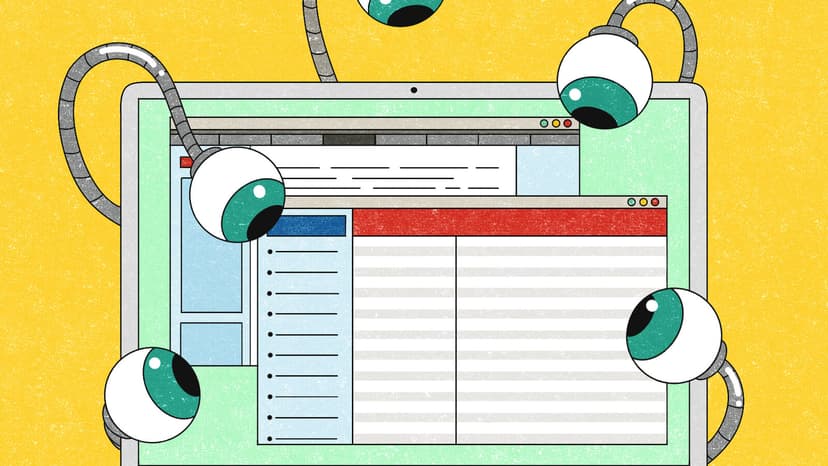
The growing sophistication and prevalence of 'bossware' are reshaping workplace conditions through advanced employee surveillance. Initially used for efficiency, AI now enables employers to monitor workers in more granular and predictive ways, a trend that significantly accelerated with the rise of remote work during the pandemic.
This technology, encompassing algorithmic and biometric tools, tracks various employee metrics. For instance, in trucking, AI can alert managers to driver fatigue, while desk jobs may see monitoring of keyboard strokes and productivity. The availability and affordability of these AI tools have led to their widespread application across industries, from factories to corporate offices.
Experts argue that while bossware aims to increase productivity, it can negatively impact worker well-being, leading to psychological tolls and potential health and safety risks. The tools are criticized for impinging on workers' autonomy and downtime, with some research indicating they don't necessarily improve safety outcomes, as seen in the trucking industry.
Policy interventions, such as guardrails on surveillance and mandatory company disclosures of technology use, are proposed. Giving workers more autonomy and involving them in technology choices could foster better workplace balance and retention. However, the fundamental power imbalance between supervisors and employees is seen as further tilted by the pervasive nature of bossware.