Home / Technology / Beyond Stunts: B-52's Extreme Maneuver Training
Beyond Stunts: B-52's Extreme Maneuver Training
5 Sep
Summary
- B-52 bomber performed a 70-degree bank during aerial refueling.
- This maneuver was a deliberate training exercise, not a stunt.
- The B-52's flexible wing design enables extreme maneuvers.
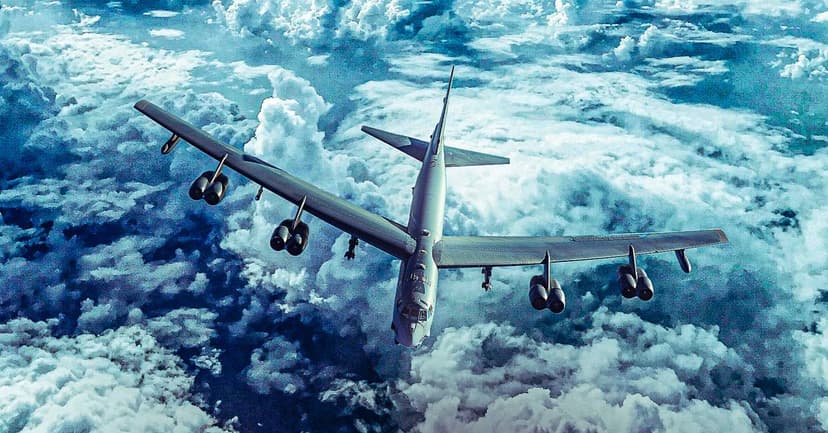
Recent footage captured a B-52 Stratofortress performing a dramatic 70-degree bank while refueling with a KC-135 Stratotanker. This striking visual, initially perceived as a dangerous stunt, was actually a carefully designed training exercise by the U.S. Air Force. The maneuver, sometimes referred to as a 'Whifferdill,' served not as a combat tactic but as a confidence-building lesson for instructor pilot candidates.
The exercise aimed to push pilots and the aircraft to their perceived limits, demonstrating the B-52's robust capabilities. Instructor candidates had to maintain precise control, flying visually off the tanker while navigating steep bank angles and altitude changes. This challenging practice instilled a deep, intuitive understanding of the bomber's performance envelope.
The B-52's ability to withstand such extreme maneuvers is largely attributed to its innovative wing design. Its 185-foot wingspan is optimized for flexibility, allowing the wingtips to flex significantly under load, thereby absorbing and redistributing immense aerodynamic forces. This structural resilience, coupled with low wing loading, enables the bomber to maintain stability and controllability even in high-G situations.
This era of 'controlled aggression' training, prevalent in the Cold War-era Strategic Air Command, emphasized knowing an aircraft's absolute limits. Following the dissolution of SAC in 1992, training shifted towards risk reduction and standardization, leading to the discontinuation of such extreme exercises. The B-52, still in active service and expected to fly beyond 2040, retains the underlying capabilities that made these maneuvers possible, a testament to its enduring design.


