
Home / Technology / Self-Driving Dreams Shift Gears to New Tech Frontiers
Self-Driving Dreams Shift Gears to New Tech Frontiers
7 May
Summary
- Autonomous vehicle tech innovations now manage shipyards and city traffic.
- Lidar sensors, improved for cars, now secure military installations.
- Millimeter wave radar monitors passenger health and detects children.
- Ground-penetrating radar aids seaports and detects infrastructure issues.
Autonomous vehicle aspirations from 2016, including Ford's prediction of mass-produced self-driving cars by 2021, have not materialized. Many companies that focused on this technology have since ceased operations or pivoted. For example, Luminar declared bankruptcy last December, and GM's robotaxi company, Cruise, was shuttered in 2024.
However, innovations developed for autonomous vehicles have found new life in other industries. Lidar technology, which creates 3D environmental views, is now employed in smart city traffic systems, airport pedestrian monitoring, and even securing remote facilities like data centers. Companies like Ouster, which acquired Velodyne, are supplying lidar sensors for applications including John Deere farming equipment and municipal traffic management in cities like Chattanooga.
Similarly, millimeter wave radar, originally for collision avoidance, is now used in consumer electronics to monitor passenger health, such as detecting breathing and heart rate, and to alert drivers to children in back seats. This technology is also being adapted for elder care services, allowing individuals to live independently while maintaining privacy.
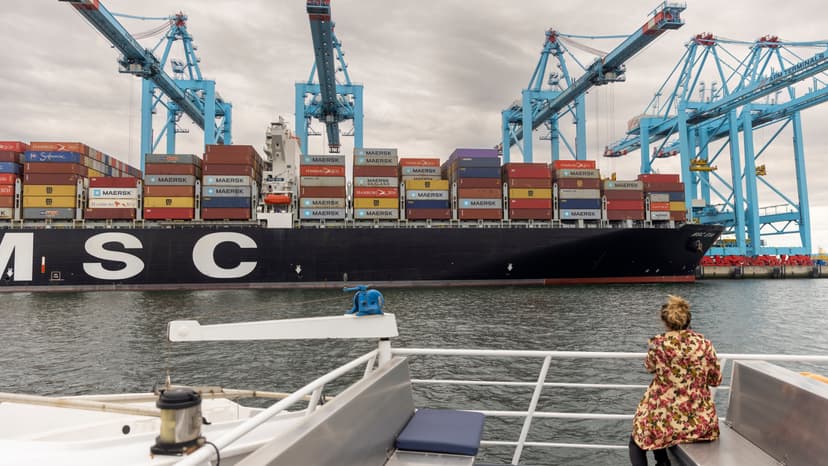
Ground-penetrating radar, initially envisioned for autonomous vehicle navigation, is now being utilized in seaports for automated operations and infrastructure management, reducing the need for disruptive underground installations. Companies like GPR Ground Positioning Radar are at the forefront of this application. Advancements in these sensor technologies are also benefiting the burgeoning field of artificial intelligence and robotics, with companies like Boston Dynamics integrating expertise from former autonomous vehicle engineers.
