Home / Technology / AI Ethics Redefined: Virtue-Based Computing Emerges
AI Ethics Redefined: Virtue-Based Computing Emerges
20 Feb
Summary
- Angelic Intelligence embeds ethics into AI architecture, not as an afterthought.
- AI designer challenges current governance as fundamentally broken and retroactive.
- The AI framework utilizes 27 'Digital Angels' embodying cross-cultural virtues.
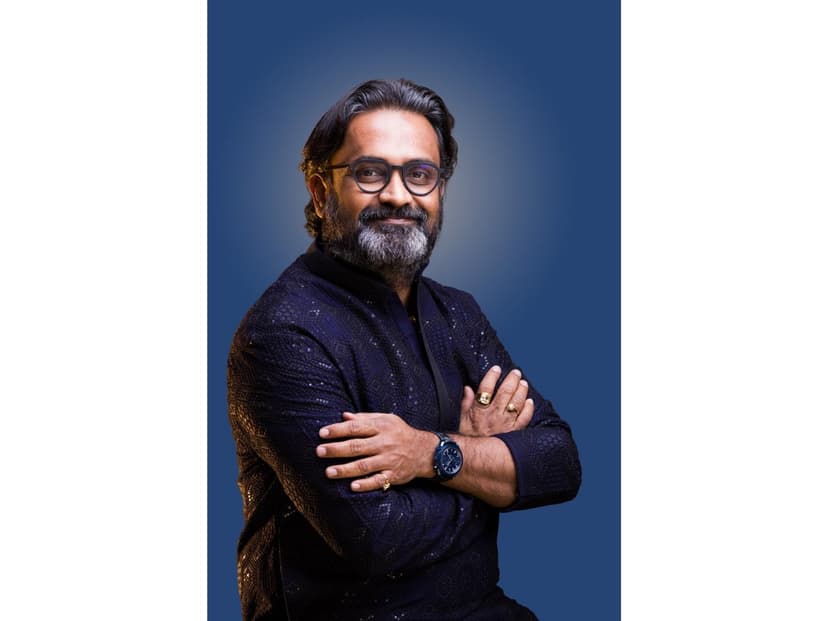
Shekhar Natarajan, founder of Orchestro.AI and inventor of Angelic Intelligence, presented a novel AI ethics framework at the AI Summit in New Delhi. He contends that current global AI governance is flawed due to its retroactive nature, attempting to regulate AI after its creation. Natarajan's Angelic Intelligence, protected by over 70 patents, integrates human ethics directly into AI computational architecture.
The framework features 27 "Digital Angels," AI agents embodying virtues like compassion and justice. These agents collaborate in real-time for ethical decision-making, making virtue the machine's native language rather than an external compliance measure. Natarajan, whose personal journey from poverty to AI innovation is notable, emphasizes building AI with love, drawing inspiration from his mother's sacrifices and his practice of classical Indian painting.
Natarajan's vision challenges the status quo, positioning Angelic Intelligence as a proactive alternative to current AI regulatory efforts. His insights have garnered significant attention, with invitations to speak at high-profile international forums like the World Economic Forum. The approach aims to ensure AI systems understand dignity and make decisions aligned with human values, reflecting the profound sacrifices that enable human potential.