
Home / Technology / AMD Champions Openness for Space AI Missions
AMD Champions Openness for Space AI Missions
4 May
Summary
- AMD advocates for open platforms and modular design in space.
- Space missions require adaptability due to strict power and thermal limits.
- Vendor lock-in poses significant risks for long-duration orbital deployments.
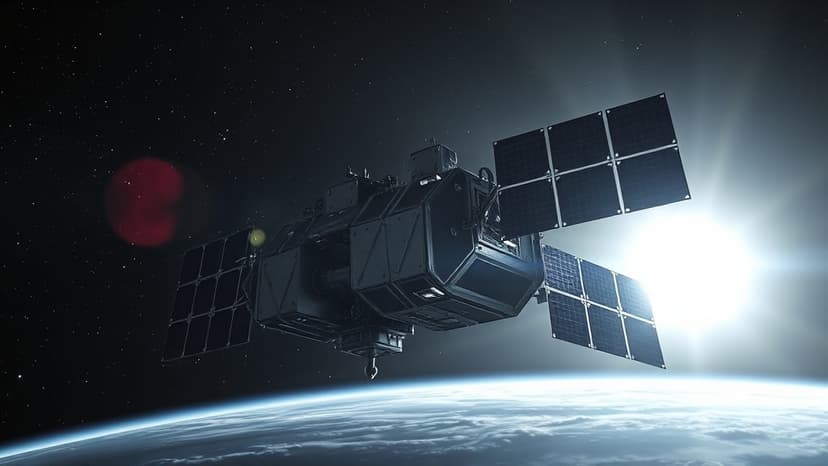
AMD is advocating for open platforms and modular design in the space industry, challenging the dominance of monolithic solutions. The company asserts that no single vendor should dictate the entire architecture for space missions, which are typically collaborative efforts involving multiple specialized suppliers. This necessitates strong interoperability between components from various firms.
AMD's strategy hinges on embracing open standards and modularity to reduce friction. This includes supporting open approaches to security, interconnects, and infrastructure, alongside its ROCm software stack for AI and high-performance computing. The goal is to provide an alternative to proprietary software ecosystems that currently dominate AI development.
Operating in space amplifies the need for adaptable systems. Strict power and thermal limits, intermittent communication, and long mission lifecycles make resilience paramount. Reliance on a single vendor introduces risks, as obsolete or unsupported components are difficult to replace. AMD believes modular, interoperable architectures allow for easier component upgrades over time.
Onboard AI processing is also a key area. Limited bandwidth requires spacecraft to process data locally. AMD's open platforms aim to facilitate the deployment and evolution of these capabilities across heterogeneous hardware, avoiding mission lock-in to a fixed software stack from launch. The company highlights its existing contributions to NASA missions, though large-scale AI infrastructure in orbit represents a new challenge.
