


Home / Technology / Amazon's AI Rufus: Shopping Revolution or Buggy Beta?
Amazon's AI Rufus: Shopping Revolution or Buggy Beta?
22 Apr
Summary
- Amazon's Rufus AI shopping bot is in beta with some initial issues.
- Rufus offers 'scheduled actions' for automatic restocking and purchases.
- Amazon blocks external AI bots from scraping its website for safety.
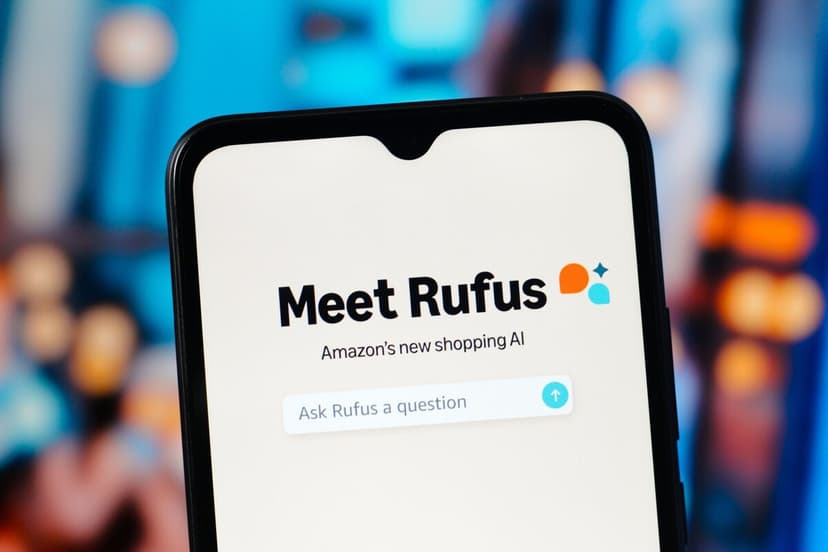
Amazon's AI shopping assistant, Rufus, is undergoing beta testing and has encountered some initial challenges. Launched with enhanced capabilities in mid-2024, Rufus now offers 'scheduled actions,' a feature enabling automatic purchasing and restocking, a move hailed as 'full agentic commerce.' CEO Andy Jassy reported that approximately 300 million Amazon customers used Rufus in 2025, with a 60% higher purchase completion rate. Currently, Rufus notifies users before adding items to their carts, avoiding fully autonomous purchases.
Competitors, including ChatGPT, are also exploring AI-driven shopping. However, Amazon has restricted access for external AI bots, such as ChatGPT Atlas, to scrape its website, citing customer safety and the burden of managing returns. This strategic move aims to protect users and Amazon's operational costs.
As AI commerce grows, Amazon may face pressure from regulators and consumers to open its platform to third-party bots. Failure to adapt could risk Amazon's relevance, similar to neglecting a web presence in the 1990s. Jassy has indicated openness to cooperation, provided the shopping experience is not compromised and external agents have access to user data.
Amazon's competitive advantage lies in its extensive first-party data, which informs Rufus's personalized recommendations and purchasing habits. Unlike competitors who may lack substantial consumer data, Amazon leverages its wealth of purchasing history to refine its AI. The future of AI shopping hinges on the quality and personalization of data, with Amazon positioned to lead due to its existing customer insights.
