Home / Technology / AI Moves Beyond Chatbots Into the Physical World
AI Moves Beyond Chatbots Into the Physical World
16 Sep
Summary
- AI is expanding beyond software into hardware, energy, and robotics.
- Nvidia's new AI hardware shows significant energy efficiency gains.
- Geopolitical factors increasingly influence AI infrastructure development.
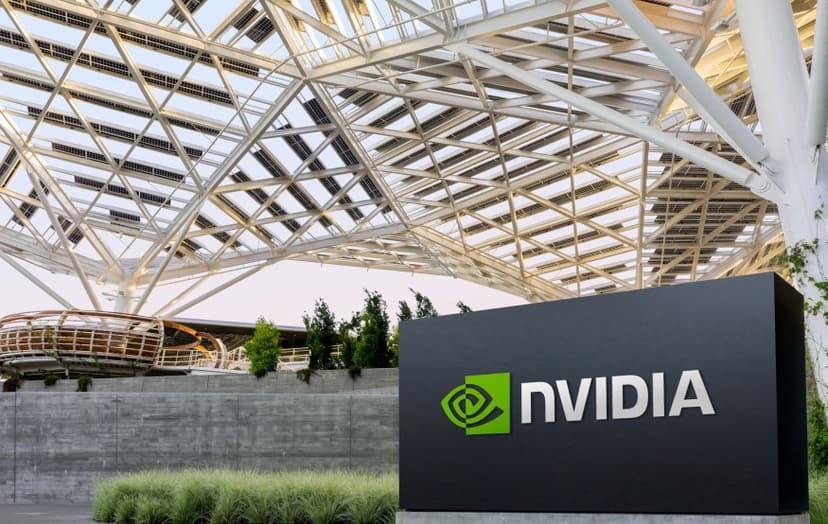
Artificial intelligence is no longer confined to software and chatbots; it is now deeply integrated into the physical world, influencing hardware, energy consumption, robotics, and global geopolitics. Nvidia's upcoming AI hardware, the Vera Rubin NVL72 platform, shows promising gains in energy efficiency, potentially addressing a key constraint in AI infrastructure development. Concurrently, the global AI landscape is being shaped by significant investments and evolving regulations, with the Gates Foundation pledging $1 billion to broaden AI access in critical sectors like healthcare and education.
The expansion of AI into physical systems presents new security challenges, with startups like Exein raising substantial funding to embed security directly into device firmware. Humanoid robots are also advancing, with Agility Robotics unveiling Digit 5, designed for safer human-robot collaboration in warehouses. Meanwhile, geopolitical tensions and conflicts are impacting cloud infrastructure, as seen with AWS outages in the Middle East, highlighting the need for greater geographic resilience in data center design.
Regulatory shifts, such as new exit regulations in China, underscore the increasing strategic importance of technology talent. Apple is enhancing its AI capabilities with a smarter Siri integrated into iOS 27, while OpenAI is expanding its hardware strategy through acquisitions like Glass Imaging. These developments collectively indicate a complex, multifaceted evolution of AI, extending far beyond its initial digital confines.


