Home / Technology / Airbus Hints at B-2 Bomber Future for Planes
Airbus Hints at B-2 Bomber Future for Planes
10 Dec
Summary
- Airbus CEO envisions blended-wing body aircraft within 30-40 years.
- This design merges fuselage and wings for improved efficiency.
- Potential trade-offs include fewer windows and challenging evacuations.
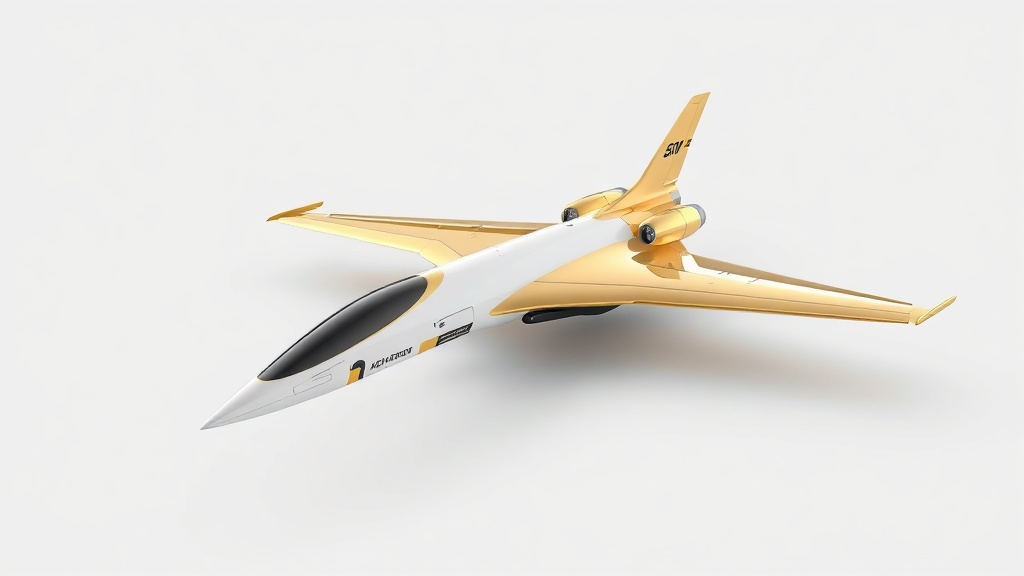
The next generation of commercial aircraft could radically depart from today's tube-and-wing configuration, with Airbus CEO Guillaume Faury hinting at a blended-wing body (BWB) design within the next 30 to 40 years. This futuristic concept would integrate the fuselage and wings into a single, sweeping structure, potentially resembling the iconic B-2 bomber. This design promises significant improvements in fuel efficiency and offers greater interior space for passengers.
While the BWB design presents compelling advantages, it also introduces notable challenges. Passengers might face a lack of natural light due to a reduced number of windows, potentially causing disorientation or claustrophobia. Furthermore, emergency evacuations could become more complex as occupants may have limited views of the exterior and be further from exits in the cabin's center.
Airbus has been actively exploring BWB technology since 2017 as part of its ZEROe initiative for zero-emission aviation, aiming for hydrogen-powered flights. This exploration builds upon decades of research, including NASA's X-48 program. Although no full-size passenger BWB has yet been certified, Airbus's continued development signals a strong belief in this innovative future for air travel.