Home / Technology / AI Toys: Emotional Emptiness in Playtime?
AI Toys: Emotional Emptiness in Playtime?
13 Mar
Summary
- AI toys struggle with emotional understanding and social cues.
- Researchers observed a child's 'I love you' met with a guideline reminder.
- Experts urge regulation, not outright bans, for AI in children's toys.
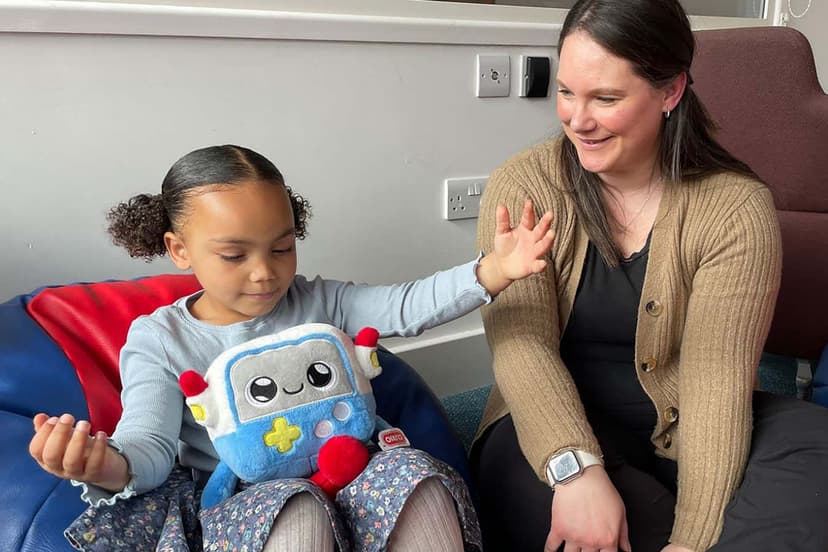
Artificial intelligence in children's toys is raising concerns due to its limited emotional comprehension and inability to grasp social nuances. Researchers have observed AI toys responding to children in ways that highlight their developmental shortcomings. For example, one study noted a toy's robotic reply to a child's "I love you" and another's failure to acknowledge a child's sadness.
While these AI-powered companions are a growing industry, scientists are calling for strict regulations rather than outright bans. They argue that the potential benefits, such as aiding parent-child interactions and offering cognitive or social-emotional development, could outweigh the risks of occasional odd responses. The focus should be on understanding and harnessing AI's potential responsibly.
Experts emphasize that robust safety standards and formal regulatory frameworks are currently lacking for AI in children's products, creating a 'buyer beware' scenario. Some AI applications, like those used with e-book libraries, demonstrate that safe AI tools are possible with adequate precautions. However, many companies are urged to be more responsible in developing high-quality, safe AI products for vulnerable young users.
Researchers advocate for tighter regulation to ensure AI toys are programmed to foster social play and appropriate emotional responses. This includes regulators establishing rules for children's psychological safety and AI makers revoking access for irresponsible toy developers. In the interim, parental supervision is recommended when children use such toys.