Home / Technology / AI to Secure Earth's Crowded Orbit
AI to Secure Earth's Crowded Orbit
26 Jan
Summary
- Orbital infrastructure faces challenges from 11,000+ active satellites.
- AI enhances space situational awareness and debris detection capabilities.
- A Planetary Neural Network (PNN) is proposed to manage orbital hazards.
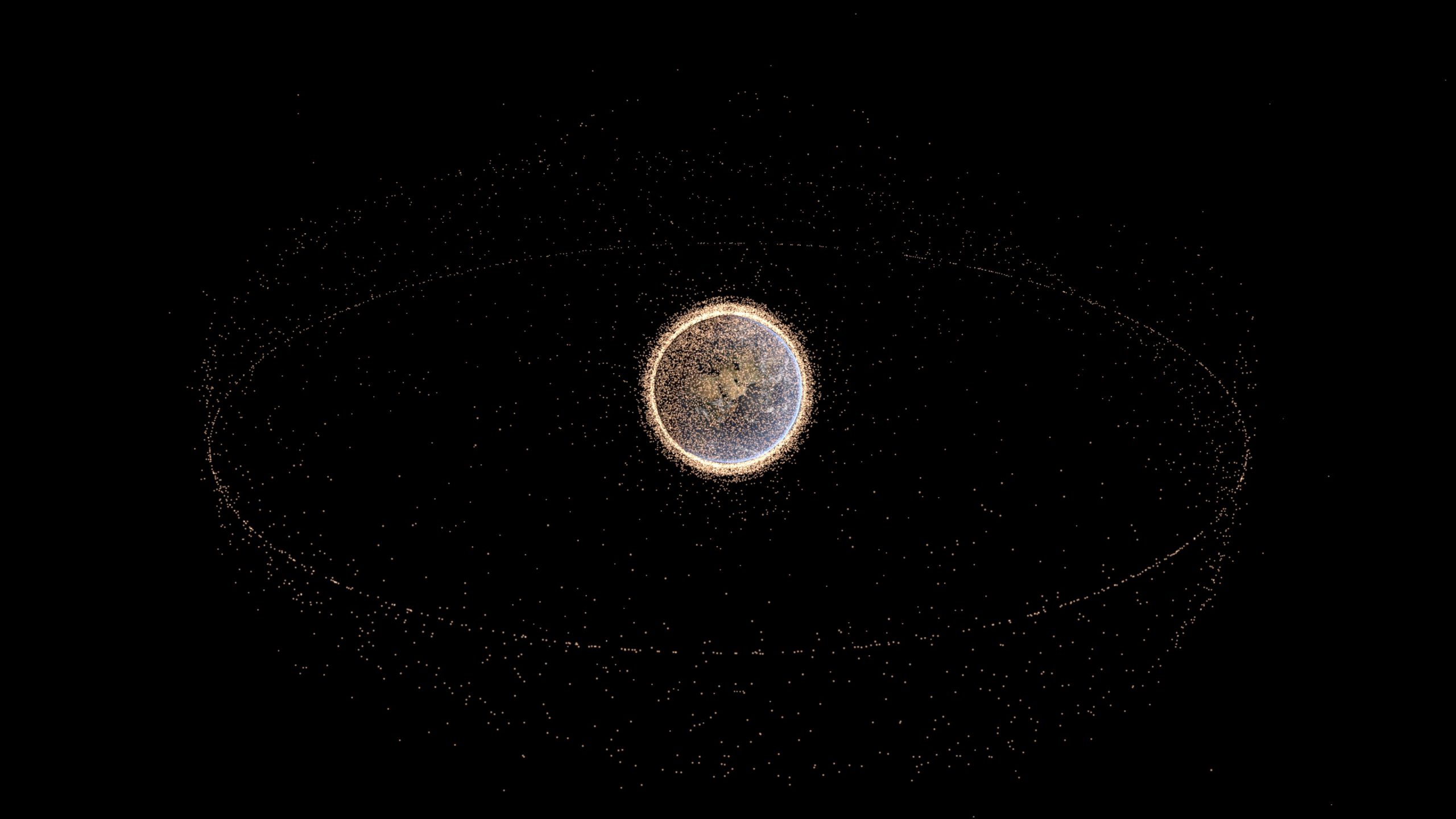
Earth's orbital space is increasingly crowded, with over 11,000 active satellites and a projected increase to 30,000-60,000 by 2030, alongside millions of pieces of debris. This escalating situation strains traditional monitoring systems and raises concerns about collision risks, including the potential for Kessler syndrome. As commercial launches accelerate, managing orbital hazards requires advanced Space Situational Awareness (SSA).
AI is revolutionizing space security by improving the detection and classification of orbital objects, especially smaller debris. Machine learning algorithms like Convolutional Neural Networks (CNNs) and Long Short-Term Memory (LSTM) networks enhance signal processing from optical and radar sensors, allowing for more accurate tracking and prediction, even with incomplete data.
The concept of a Planetary Neural Network (PNN) is proposed as a global 'central nervous system' for orbital awareness. This system would integrate diverse data sources to create a real-time picture of the space environment. Key challenges to its implementation include data interoperability, requiring standardized formats and time synchronization.