


Home / Technology / AI Books: Publishing's Pandora's Box Opened?
AI Books: Publishing's Pandora's Box Opened?
10 Apr
Summary
- Publishers risk unknowingly releasing AI-generated books.
- Authors fear AI detectors falsely flagging human work.
- Readers want transparency on AI-authored books.
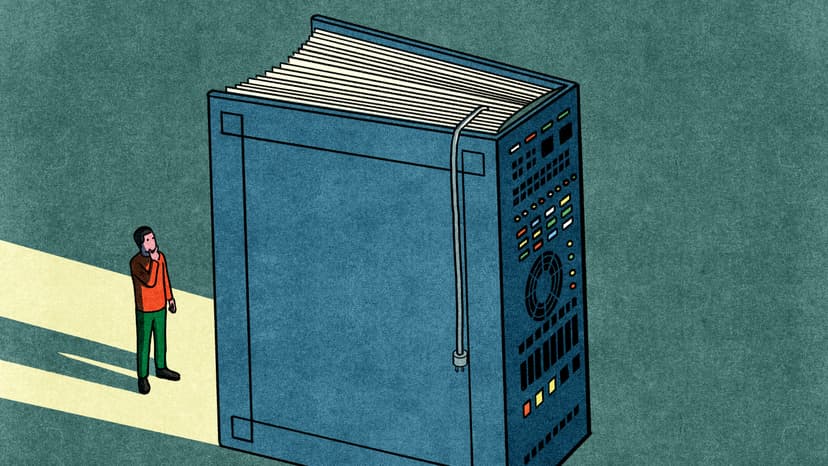
The publishing industry is grappling with the proliferation of AI-generated content, creating uncertainty and fear among authors and readers alike. Major houses risk publishing books created with artificial intelligence, prompting concerns about the authenticity of literary works. Debut author Antonio Bricio experienced firsthand the unreliability of AI detection tools, which can misidentify human writing as machine-generated, potentially hindering authors' career opportunities.
This issue gained significant attention when Hachette canceled the release of "Shy Girl" due to evidence of AI involvement. This event has fueled a broader debate about how publishers vet manuscripts and the transparency expected by readers. Many authors, like Andrea Bartz and Rene Denfeld, have found their own work falsely flagged by AI checkers, leading to a sense of unease about their intellectual property and the future of writing.
Currently, most publishers rely on author trust regarding AI use, lacking clear guidelines for its integration into writing, research, or editing. This ambiguity leaves many unsure where the line between permissible AI assistance and unacceptable generation lies. The desire for clear labeling is strong among readers like Rachel Louise Atkin and Stacy Smith, who advocate for the choice to engage with AI-authored content knowingly, emphasizing that dishonesty erodes trust.
To address these concerns, some authors are adopting "human authored" certifications, like the one offered by the Authors Guild, to attest to their work's original human creation. However, this does not solve the broader issue of potential AI infiltration into all aspects of book production, from prose to cover art, leaving the industry in a state of perpetual uncertainty about content origins.
