Home / Technology / AI in Medicine: Promise and Peril
AI in Medicine: Promise and Peril
3 Feb
Summary
- AI chatbots now offer personalized medical advice, linking to health records.
- Concerns arise over data privacy and AI's potential for inaccurate information.
- AI-assisted healthcare shows promise when combined with human medical expertise.
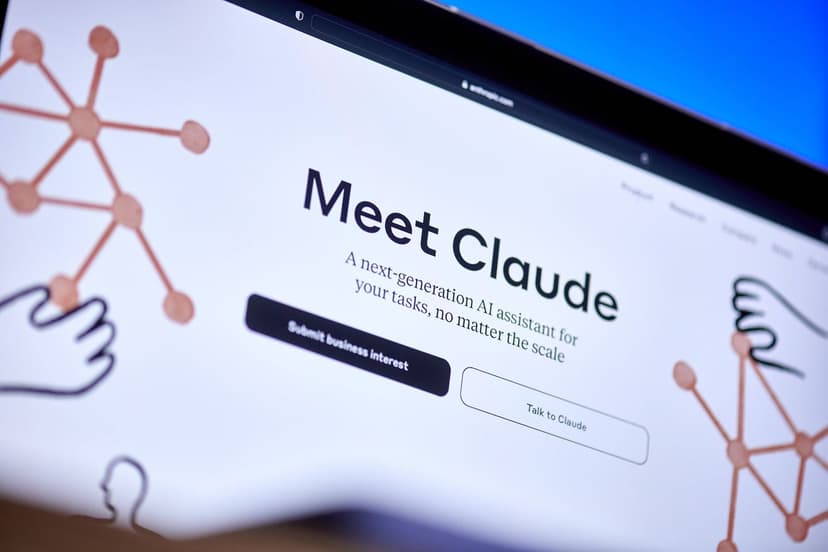
New AI services, such as OpenAI's ChatGPT Health and Anthropic's Claude, are emerging with capabilities to link with personal medical records and smart device data for health insights. These platforms assure data privacy and do not use information for training, yet they are not covered by federal medical privacy laws. Concerns about AI accuracy persist, as they can be misled by imprecise user language or provide incomplete advice, potentially leading to dangerous outcomes like a patient's serious reaction to sodium bromide suggested by an AI.
Physicians are observing a shift from traditional online searches to AI chatbots for medical queries. While AI can be beneficial, experts warn that patients may not discern AI "hallucinations" or fabricated information. However, when AI is integrated with human medical professionals, remarkable results are achievable. An example is Joe Gaddy, who discovered a novel robotic prostate surgery procedure through ChatGPT, which his own doctors then validated using their AI systems, ultimately leading to successful treatment.