Home / Technology / AI Health Chatbots: Friend or Foe?
AI Health Chatbots: Friend or Foe?
2 Mar
Summary
- AI chatbots offer personalized health insights beyond standard searches.
- Sharing health data with AI lacks federal privacy law protections.
- AI's medical accuracy is high in written tests but falters in interaction.
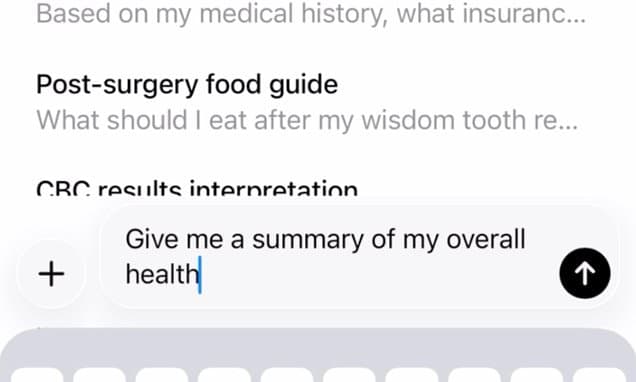
Tech companies are launching AI chatbots designed to answer health questions, with OpenAI's ChatGPT Health and Anthropic's Claude offering analysis of medical records and wellness data. These large language models are not intended to replace professional medical advice but can assist in understanding test results or identifying health trends. Doctors view them as an improvement over current options, providing more personalized information than typical online searches.
However, sharing sensitive health information with these AI programs means it is not protected by HIPAA, unlike data shared with healthcare providers. While companies state they segregate health data and do not use it for training, users must understand the differing privacy standards. Despite AI's potential, independent testing reveals limitations, with chatbots performing well on written medical exams but struggling with interactive scenarios. Research suggests users do not make better health decisions with AI assistance compared to traditional methods, highlighting communication challenges and the difficulty in distinguishing accurate from inaccurate AI-generated information. Experts advise consulting multiple AI tools for confirmation and always seeking immediate medical attention for severe symptoms.