Home / Technology / AI Glasses Restore Sight, Independence
AI Glasses Restore Sight, Independence
24 Jan
Summary
- AI glasses allow a visually impaired woman to recognize objects independently.
- Charlotte Sterling regained independence after decades of vision loss.
- AI glasses describe surroundings and read text for the user.
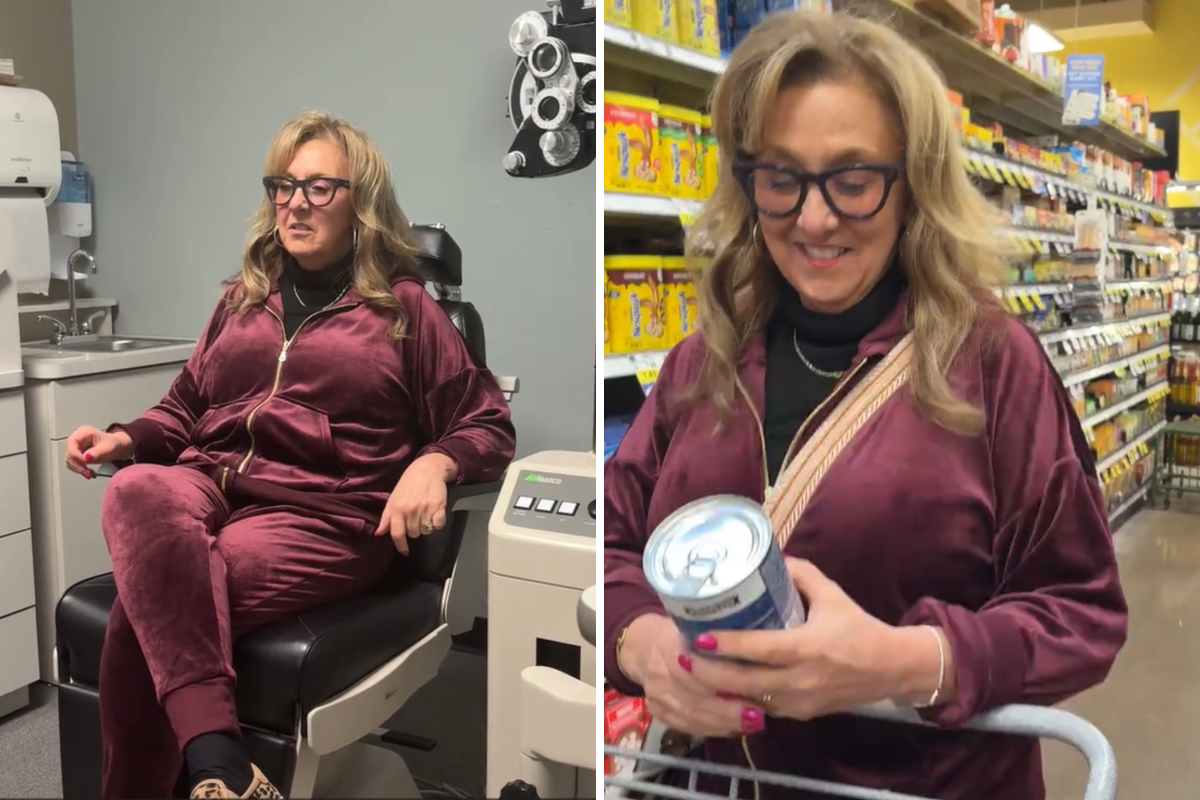
Charlotte Sterling, a 64-year-old from Memphis, Tennessee, is experiencing a life-changing revival of independence thanks to advanced AI glasses. Having lost most of her vision at age 17 due to Stargardt's disease, and later developing retinitis pigmentosa and glaucoma, Sterling was on a path to total blindness. In January 2026, she received Meta Skyler Gen 2 glasses, which utilize artificial intelligence to scan and describe objects, read text aloud, and detail her environment.
"It felt like stepping into a whole new world," Sterling shared, expressing her excitement about regaining autonomy. The ability to identify everyday items like a can of green beans or read her mail independently has been profoundly impactful. Her daughter, Kat Conner Sterling, captured the moment and shared it on TikTok, where it garnered over 1.2 million views, highlighting the public's enthusiasm for this technological advancement.
The AI glasses, with a battery life of up to eight hours, provide Charlotte with detailed descriptions, empowering her to make choices about her appearance and navigate her home with greater ease. While her family continues to offer support, these glasses offer a crucial boost to her mental well-being and autonomy. Sterling hopes future innovations will allow her to recognize people, further enhancing her connection with the world.
Kat Conner Sterling views the glasses as a "gamechanger," enabling her mother to experience the world more fully and reducing her reliance on others. The positive online response underscores a broader conversation about accessibility tools for the visually impaired. Both mother and daughter are committed to raising awareness, advocating for technology that promotes equality and greater independence for individuals with disabilities.