Home / Technology / AI Voices: Why Are They Still So Feminine?
AI Voices: Why Are They Still So Feminine?
1 Mar
Summary
- Early AI assistants defaulted to female voices due to available speech data.
- Historical associations of helping roles with women influence AI design.
- Gendered AI can reinforce stereotypes about service and authority.
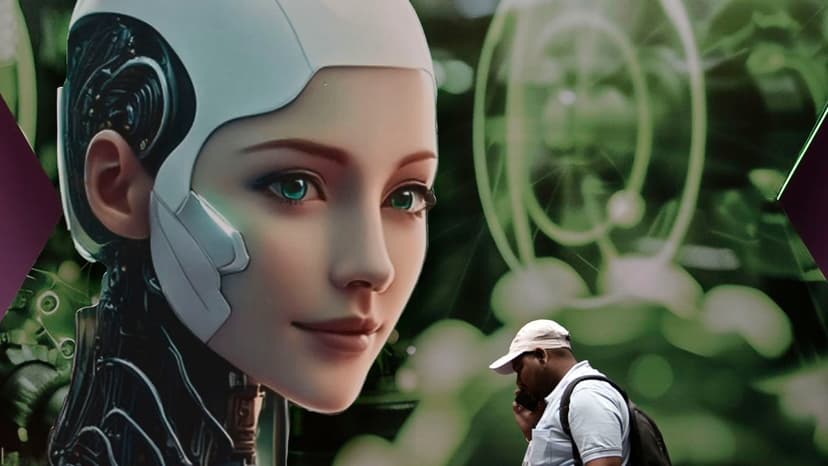
The design of modern AI, including its voice and perceived gender, carries significant implications as these technologies become more integrated into daily life. While newer systems like ChatGPT offer a range of voice options, many AI assistants historically defaulted to female voices, a trend still seen today. This choice influences user perceptions regarding who serves, assists, and holds authority.
Several factors contributed to early AI assistants adopting female voices. Historically, available speech data often featured women's voices, and roles associated with assistance and emotional labor were traditionally feminized. Companies also cited research suggesting people find female voices more pleasant and trustworthy, although these findings are not definitively conclusive and can be shaped by social norms.
Further complicating the issue, research indicates that gendered technology doesn't just reflect stereotypes but can actively entrench them. This bias can manifest through training data, design choices, and stereotyped responses. Despite increased user choice and the availability of gender-neutral options, there are currently no clear regulatory standards addressing gender stereotyping in AI design.
Experts emphasize that creating more equitable AI systems requires a multi-faceted approach. This includes expanding genuinely neutral voice options and, crucially, increasing gender diversity within AI development teams. With women holding a minority of AI-related roles globally, their underrepresentation can influence design decisions. Ultimately, technology shapes culture, and vice versa, necessitating intentional efforts to interrupt these cycles for a more equitable future.