Home / Technology / AI Food Photos: Uncanny Valley for Your Appetite
AI Food Photos: Uncanny Valley for Your Appetite
6 Oct
Summary
- AI-generated food images often appear unsettling and unrealistic.
- Older AI models and simple prompts result in poor food imagery.
- Businesses use AI for cost and speed, despite aesthetic drawbacks.
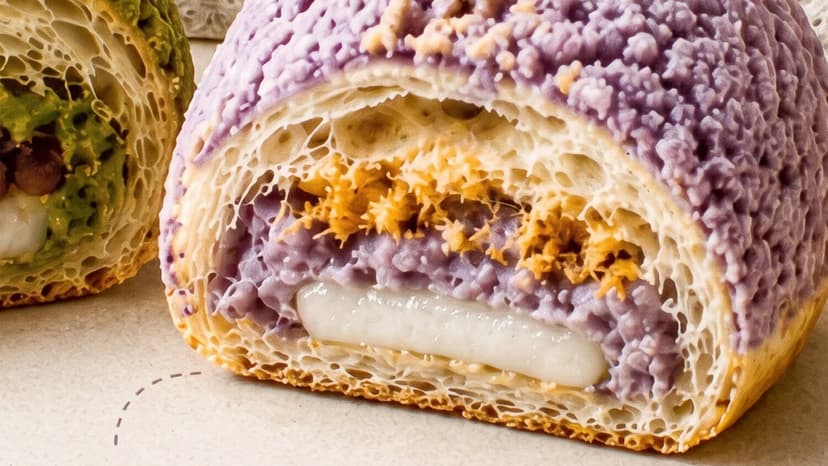
Fast food establishments are turning to generative AI for promotional images, yet the results are often unsettlingly unrealistic. These AI-generated visuals, frequently shared on social media, can feature distorted food items and patterns that trigger viewer discomfort. Experts suggest that businesses using older, free AI models with basic prompts are responsible for these unappetizing images, which do not represent the capabilities of current AI technology.
Humans are highly sensitive to unrealistic food imagery due to evolutionary factors related to food quality. Early AI models struggled with replicating food textures and complex visual elements. Despite these flaws, the allure of AI lies in its significantly lower cost and faster turnaround time compared to traditional photography, making it attractive for businesses seeking quick menu updates.
Some businesses, like Nature Valley Market in New York, have used AI tools such as ChatGPT for promotions, acknowledging the potential to alienate customers with unrealistic visuals. Workers at establishments like Vinny's Gluten Free Kitchen in Manhattan find AI necessary to compete in a crowded market, even if customers prefer authentic imagery. As AI technology advances, even free tools are expected to improve, making AI-generated food images more indistinguishable from reality.


