Home / Technology / Exoskeletons: From Sci-Fi to Your Street
Exoskeletons: From Sci-Fi to Your Street
9 Jan
Summary
- New exoskeletons weigh under two kilograms, a stark contrast to early bulky designs.
- AI-powered sensors adapt assistance to terrain and walking pace for everyday users.
- Manufacturers aim for mass adoption, comparing future ubiquity to smartwatches.
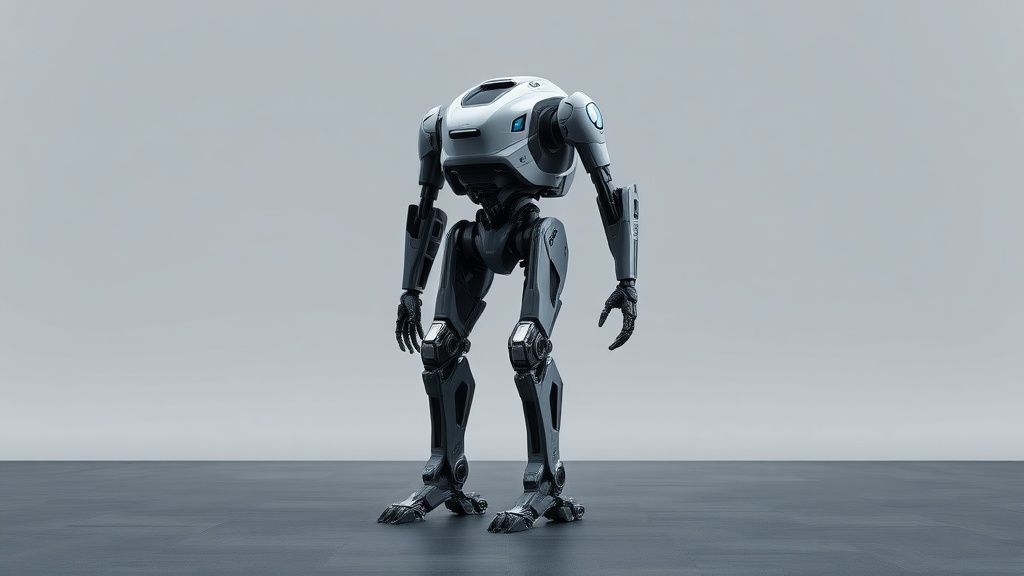
Exoskeletons are shedding their cumbersome, futuristic image to emerge as lightweight, AI-driven consumer products. These advanced suits, weighing under two kilograms without batteries, are being showcased at CES, offering assistance for legs, knees, and backs. Unlike their massive 1960s predecessors, modern designs use AI-powered sensors to tailor mechanical support to individual walking styles and terrain.
Startups are now capitalizing on this technological leap, presenting affordable models around $1,000 with improved battery life. These devices are designed for everyday use, targeting everyone from seniors seeking to remain active to hikers and even runners, with some models supporting speeds up to 27 kilometers per hour.
Manufacturers, predominantly from China, are optimistic about breaking into the US market, envisioning exoskeletons becoming as ubiquitous as smartwatches. They are actively working to mitigate the social stigma associated with wearing such technology, emphasizing that these devices enhance activity rather than simply reducing effort, thereby promoting a more active lifestyle.