Home / Technology / AI's Thirst: Can Green Energy Keep Up?
AI's Thirst: Can Green Energy Keep Up?
11 Jul
Summary
- AI boom spurs demand for energy, challenging renewable goals.
- Data centers consume energy equivalent to mid-size cities.
- Legislation in New York targets 90% renewable energy by 2040.
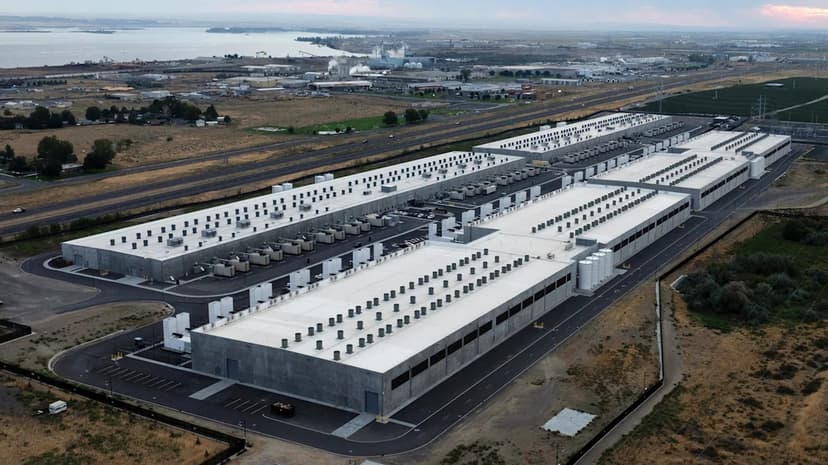
The rapid growth of artificial intelligence is driving an unprecedented demand for energy, creating a significant challenge for climate-friendly initiatives. This surge is primarily fueled by the immense power consumption of data centers, some of which use more energy than entire mid-size cities.
As a result, the AI boom has unfortunately spurred a construction boom for natural gas-fired power plants and efforts to extend the operational life of existing coal plants. Renewable energy sources, such as wind and solar, are struggling to keep pace with the speed and scale of this energy demand.
Lawmakers in states with strong climate policies are actively working to prevent data centers from hindering their emission reduction targets. In New York, proposed legislation would mandate that data centers over a certain size meet renewable energy benchmarks, aiming for 90% clean energy by 2040.
Other states like Michigan, Oregon, and Minnesota have enacted laws to ensure utility energy sources remain emissions-free by 2040. These states are directing regulators to align data center energy supply with emissions-reduction goals, with Michigan requiring a 90% clean energy standard for hyperscale data centers to qualify for tax exemptions.
Beyond legislative action, tech giants are investing in their own zero-emission projects. They are also collaborating with environmental groups and business associations to advocate for expanded access to the power grid, addressing issues where utilities cannot promptly supply needed energy.
Regulatory bodies are increasingly greenlighting renewable energy projects to meet these demands. For example, Colorado regulators ordered Xcel Energy to develop a program for large power users to build and connect clean energy projects. Similar initiatives and agreements are emerging in several other states, signaling a long-term shift in energy policy.


