Home / Technology / AI Fails Drug Test: Scorpion Antivenom Effort Falls Short
AI Fails Drug Test: Scorpion Antivenom Effort Falls Short
22 Oct
Summary
- AI model generated thousands of protein candidates for scorpion antivenom.
- Only 17 proteins showed binding ability to scorpion toxins.
- Experts state AI is far from creating actual, viable medicines.
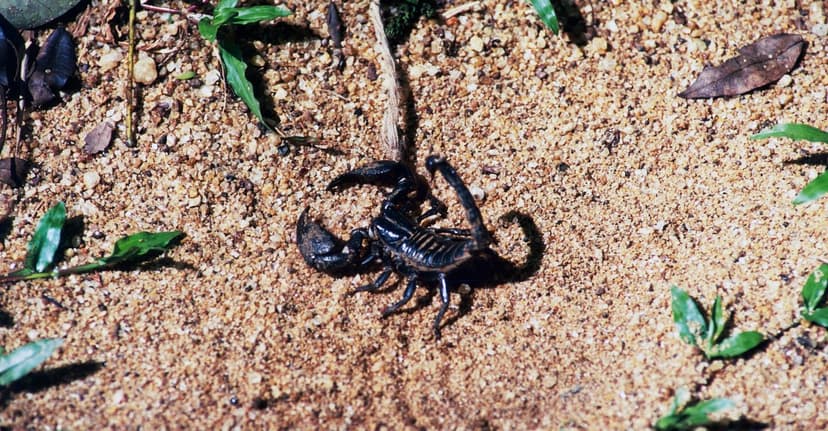
An investment research firm, Citrini Research, collaborated with AI company Anthropic to explore AI's potential in drug development, specifically attempting to create scorpion antivenom. Using an unreleased version of Anthropic's Claude AI, the project generated nearly 320,000 protein candidates designed to bind to scorpion toxins.
After an intensive 64-hour process, the AI produced 211 designs. Subsequent testing by external laboratories revealed that only 17 of these proteins could bind to some of the target toxins. Crucially, none bound to more than a single toxin, and binding does not equate to neutralizing venom.
Experts consulted by The Verge indicated that while discovering potential binders is an achievable first step, the process is "easy-ish." They stressed that the significant challenge lies in translating these promising molecules into safe and effective medicines, a step Citrini's experiment did not achieve.
Citrini declared the endeavor a success, viewing it as a glimpse into AI-enabled drug discovery investment opportunities. However, experts cautioned that the excitement is premature, as the safety, stability, and efficacy of these AI-designed proteins remain largely unknown and require a long, arduous development path.


